Remote patient monitoring (RPM) is a Medicare-covered way for a clinic to track physiologic data from home, such as blood pressure, weight, or oxygen levels, using a connected medical device that sends readings automatically to the care team. In 2026, Medicare's rules make shorter monitoring periods and lighter monthly check-ins easier to bill, which matters after a hospital stay or when your parent will not transmit readings every day.
Families usually find this topic after a scare: rising blood pressure, heart failure flares, diabetes swings, or a confusing discharge. About 63 million U.S. adults, roughly one in four, provided care in the prior year (AARP and National Alliance for Caregiving, Caregiving in the US 2025). RPM will not replace that work. It can shrink the "are they okay today?" unknown when a clinician is reviewing the data.
This guide covers what RPM is, what Medicare covers in 2026, day-to-day family roles, how RPM differs from wearables and companion tech, and questions to ask before you enroll.
Key Takeaways
- CMS defines remote patient monitoring as home collection of physiologic data on a connected device that automatically transmits readings so a provider can treat or manage a condition (CMS Remote Patient Monitoring).
- Eligible patients need a chronic or acute condition that requires monitoring, and the device must meet the FDA definition of a medical device and digitally upload data (CMS MLN Telehealth & Remote Monitoring, Dec 2025).
- For 2026, shorter options include CPT 99445 (2 to 15 days of data in 30 days) and CPT 99470 (about the first 10 to 19 minutes of monthly management), alongside longer-standing codes (ACP CY 2026 PFS summary).
- Under Original Medicare Part B in 2026, you generally pay the annual deductible ($283 on Medicare.gov) and then typically 20% coinsurance. Medigap or Medicare Advantage can change out-of-pocket costs (Medicare.gov costs).
- Consumer fitness trackers and most smartwatches are not Medicare RPM devices unless they meet FDA medical-device rules and clinic requirements. Home companion robots can help with reminders and family awareness. They are not a substitute for clinician-ordered RPM.

*Photo: Kampus Production / Pexels (free to use).*
What is remote patient monitoring?
Remote patient monitoring is clinician-supervised tracking of physiologic data from home, using a medical device that uploads readings so the care team can adjust treatment between office visits.
CMS describes three building blocks:
- Education and setup: Teaching so the patient can collect accurate readings.
- Device supply: An internet-connected device collects and transmits data. CMS examples include connected blood pressure cuffs, weight scales, and pulse oximeters. Programs need readings on enough days in a 30-day window to match the billed device-supply code.
- Treatment and management: Clinical staff review the data, manage the condition, and contact the patient when something needs attention.
Medicare covers RPM for a wide range of physiologic data for both chronic and acute conditions when monitoring is medically necessary and the patient consents. Example: a connected blood pressure cuff for hypertension that transmits automatically so the clinician can adjust medication.
RPM is not a video telehealth visit. Telehealth replaces an in-person encounter. RPM is ongoing physiologic data plus management time. Remote therapeutic monitoring (RTM) is a separate code family for some therapy-related data.

*Photo: Bill Branson / National Cancer Institute (public domain via Wikimedia Commons).*
What Medicare covers for RPM in 2026
On Original Medicare Part B, covered RPM generally follows Part B cost sharing: the annual deductible, then typically 20% coinsurance, unless Medigap or Medicare Advantage changes what you owe.
Eligibility and device rules
To be eligible, a patient must meet CMS rules:
- Have a chronic or acute condition that requires monitoring
- Use an internet-connected device that meets the FDA definition of a medical device and digitally uploads data
- Collect and transmit data on enough days in a 30-day period (2 to 15 or 16+ days, depending on the device-supply code)
Data must be collected electronically and automatically uploaded to a secure location for analysis. Manual diary entries alone do not meet that bar.
Patient consent is required. Only one practitioner can bill remote monitoring per patient in a 30-day period, and RPM and RTM are not billed together in that window.
What changed for 2026 coding
For years, many clinics treated 16 days of transmitted data in a 30-day period as the practical floor for the main device-supply code, and 20 minutes as the floor for the main monthly management code. Short post-discharge bursts and light-touch months were hard to bill.
The CY 2026 Physician Fee Schedule finalized valuations for newer RPM codes, including CPT 99445 and CPT 99470 (ACP CY 2026 PFS summary; Federal Register CY 2026 PFS final rule notice). CMS's December 2025 MLN booklet also states that physiologic data collection is 2 to 15 or 16+ days out of 30, depending on the code descriptor (CMS MLN).
For families:
- Shorter device-supply periods (about 2 to 15 days of data in 30 days) can align with a distinct code path after discharge or during a temporary flare.
- Shorter monthly management time (about the first 10 to 19 minutes, with interactive communication) can align with a distinct management code when the patient is stable.
- Setup, longer device-supply months, and longer management months still exist. Clinics should bill what they actually did.
Ask the clinic what your parent's plan will show as coinsurance. Local rates vary, so skip blog dollar guesses.
What families usually pay
On Original Medicare Part B in 2026, Medicare.gov lists a $283 annual deductible and says you usually pay 20% of the Medicare-approved amount for most covered services after the deductible when the provider accepts assignment (Medicare.gov).
Medigap often helps with Part B coinsurance. Medicare Advantage plans set their own deductibles, copays, and out-of-pocket limits. Confirm with billing staff and the plan.

*Photo: Pexels (free to use).*
What families actually do day to day
Most of the family job is setup support, daily habit coaching, and knowing who gets the clinical alert, not becoming the interpreter of every reading.
Setup week
Expect a kit (cuff, scale, pulse ox, or another ordered device), a clinic vendor account, and a teaching call or visit. CMS has warned that education and setup are easy to skip, so ask for a live walkthrough and a printed sheet for sync failures.
If Wi-Fi is unreliable, ask about cellular-connected devices. If your parent has arthritis, tremor, or low vision, ask for large-button equipment and a second teaching session.
Daily and weekly rhythm
- Take readings at the times the clinic requested (for blood pressure: seated, rested, consistent).
- Keep the device charged and in one obvious place.
- Confirm readings land in the clinic portal, not only on a local screen.
- Note symptoms (swelling, dizziness, missed doses) in the clinic's preferred channel.
Medication adherence still matters. Pair RPM with a clear med routine using our guide on how to remember medications at home.
Who responds when a reading looks wrong
Ask before enrollment: who reviews data in business hours, what after-hours coverage exists, which thresholds trigger a call versus a message, whether caregivers are contacted, and how fast urgent versus non-urgent flags get a response.
Long-distance adult children need a written escalation map. Our long-distance caregiving guide covers check-in rhythms and local backup teams that pair well with RPM.

*Photo: Kampus Production / Pexels (free to use).*
RPM vs consumer wearables vs home companion tech
Medicare RPM requires a medical device pathway and clinician management. A fitness tracker, smartwatch health app, or home companion robot is usually a different category.
| Tool | What it is for | Typical Medicare RPM fit |
|---|---|---|
| Clinic RPM device (connected cuff, scale, pulse ox) | Ordered monitoring with automatic upload and clinician review | Fits CMS RPM rules when the device meets the FDA medical-device definition and program requirements |
| Consumer fitness tracker / most smartwatches | Wellness trends, steps, sleep, optional health features | Generally **does not** qualify as the RPM medical device unless a specific device and use meet FDA medical-device and clinic requirements |
| Medical alert / fall pendant | Emergency call after a fall or press for help | Different problem than physiologic RPM. See [home care robot vs medical alert for fall detection](https://www.rhem.ai/blog/home-care-robot-vs-medical-alert-for-fall-detection) |
| Home companion robot | Reminders, presence, family check-ins, lower tech burden | Helpful for adherence and awareness. **Not** an FDA RPM medical device and **not** a clinician replacement |
Keep the lanes separate. RPM asks whether a physiologic trend needs clinical action. Wearables show consumer wellness trends. Companion tech helps with reminders and family awareness. A home companion robot can reduce setup and reminder load while a clinic-ordered RPM device does the medical transmitting. See how a home robot checks blood pressure at home. That support does not replace the clinician's RPM order or medical decisions.

*Photo: Kampus Production / Pexels (free to use).*
Questions to ask the doctor or clinic before starting
Ask how the program works for your parent's condition, who watches the data, what it costs under their plan, and what happens on a bad reading day.
- Why this condition, why now? Chronic condition, acute flare, or post-hospital recovery?
- Which device, and does it meet the FDA medical-device definition in the clinic's RPM vendor? Can you see it first?
- How many days of readings are needed each month? What if only 10 days transmit?
- Who teaches setup, and who handles sync failures?
- Who reviews alerts, and what are the escalation thresholds?
- How will you contact us, and can a caregiver be listed?
- What will Original Medicare, Medigap, or Medicare Advantage show as out-of-pocket cost? Ask for a benefits check.
- How does RPM interact with chronic care management, home health, or cardiac rehab?
- When do we stop? What improvement ends the order?
- What still requires 911? RPM is not an emergency response system.
If the clinic cannot explain consent, automatic transmission, and who responds to alerts, pause. Those are core CMS components.

*Photo: MART PRODUCTION / Pexels (free to use).*
How RPM fits aging in place and post-hospital recovery
RPM works best as one layer in a home-safety and recovery plan, not as the whole plan.
For aging in place, physiologic monitoring helps when the risk is a silent change between visits (fluid gain, rising blood pressure, dropping oxygen). It does less for night-time falls, isolation, or missed meals. Pair it with home modifications, a fall strategy, and real check-ins. See our aging in place guide and, for fall context, what E-BAR shows about preventing falls before they happen.
After hospital discharge, shorter 2026 monitoring windows matter. A two-week stretch of weight and blood-pressure checks can catch trouble while meds are still being titrated. Use our home recovery after hospital discharge guide for meds, follow-ups, red-flag symptoms, and caregiver shifts.
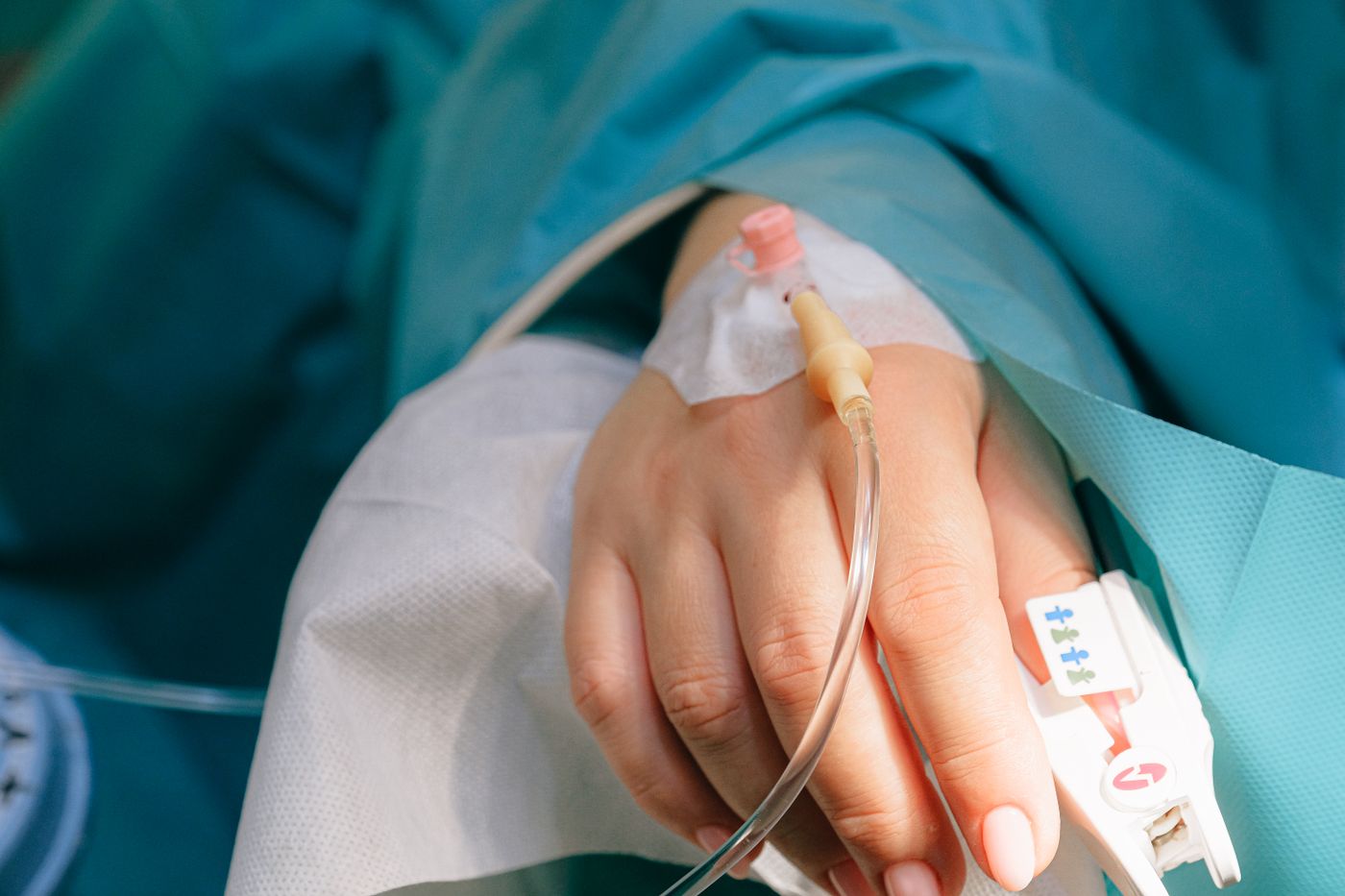
*Photo: Pexels (free to use).*
FAQ
Does Medicare pay for remote patient monitoring for seniors?
Often yes, when a clinician orders medically necessary RPM that meets CMS device and service rules. Coverage is under Part B (or a Medicare Advantage plan), not a free gadget program. Confirm medical necessity, consent, and cost sharing with the clinic and plan.
Can we use an Apple Watch or Fitbit as the Medicare RPM device?
Usually no. CMS requires a device that meets the FDA definition of a medical device and automatically uploads physiologic data for clinician management. A consumer wearable may still help personal awareness. It is not clinic RPM unless the specific device and program meet those rules.
How many days of readings does my parent need each month?
Enough days to match the billed code and to manage the condition. CMS materials describe 2 to 15 days or 16+ days in a 30-day period depending on the device-supply code. Ask the clinic which target they use.
Who sees the data, and will family get copies?
The billing practitioner's team reviews data for treatment management. Family access varies by vendor portal, HIPAA authorization, and clinic policy. Request caregiver portal access or scheduled summary calls when you enroll.
Is RPM the same as a medical alert or fall detection service?
No. RPM watches physiologic trends for clinical management. Medical alerts and fall detection focus on emergency response after a press or a detected fall. Many families need both layers.

*Photo: Unsplash (Unsplash License).*
Conclusion
In 2026, Medicare RPM better matches real life: shorter monitoring bursts, lighter monthly management when appropriate, and a clear rule that the device must be a medical device that transmits on its own. Families still handle setup, reminders, and knowing who to call.
Keep medical devices, emergency alerts, and daily companionship in separate lanes. For presence, reminders, and family awareness that reduce the tech burden on parents, learn more about Rhem at rhem.ai.
This article is educational and is not medical, legal, or insurance advice. Coverage depends on the clinician's order, documentation, and your parent's specific Medicare plan.