
How to Check on Aging Parents From Afar: A Long-Distance Caregiving Guide for 2026

Learning how to check on aging parents from afar starts with one hard truth: phone check-ins are necessary, but they are not a care system. Parents under-report. A cheerful "I'm fine" can hide a fall, skipped meals, or a week of loneliness. Long-distance caregiving works when you combine a weekly rhythm, local eyes on the ground, legal paperwork, and tech that does not dump the setup burden on your parent.
Key Takeaways
- More than 1 in 10 family caregivers live an hour or more away, which the National Institute on Aging defines as long-distance caregiving (AARP/NAC Caregiving in the U.S. 2025; NIA).
- Info lag is real: fewer than half of older adults who fall tell a doctor, so "sounds fine on the phone" is a false negative (CDC).
- Build a weekly rhythm plus escalation plan, not ad-hoc weekend worry.
- Put POA, healthcare proxy, HIPAA releases, and patient portals in place before a crisis.
- Prefer consented local presence (neighbor drop-ins, care manager, companion support) over camera guilt and abandoned apps. Keep the parent's tech load near zero.
*Photo: Kampus Production / Pexels (free to use).*
Why distance caregiving fails when you only "call to check in"
A scheduled call is better than silence. Alone, it is a weak sensor.
In 2025, about 63 million U.S. adults were family caregivers (~24% of adults), and 59 million cared for an adult (AARP/NAC Caregiving in the U.S. 2025). More than 10% of caregivers live at least an hour away (~4% live 1 to 2 hours away and ~8% live 2 or more hours away). The National Institute on Aging treats living an hour or more away as long-distance caregiving.
Distance creates info lag. Parents minimize symptoms to protect independence or avoid "being a burden." You hear the voice that practices sounding fine. Meanwhile, fall risk is high and under-disclosed: more than 1 in 4 older adults fall each year, fewer than half tell a doctor, and falling once roughly doubles the chance of falling again (CDC falls facts). Falls drive about 3 million emergency department visits and about 1 million hospitalizations yearly among older adults. Roughly 37% of fallers report an injury that needs medical care or restricts activity for at least a day.
Living alone raises the stakes. Among care recipients in home or community settings who are not living with their caregiver, 3 in 10 live alone (AARP/NAC 2025). Nearly 3 in 10 adults age 65-plus lived alone in 2022 (U.S. Census Bureau).
Phone-only care also fails emotionally. 24% of caregivers feel alone in their role, and 64% report high emotional stress (AARP/NAC 2025). Distance amplifies that isolation when every worry has to travel by text thread. If burnout is already rising, read how to spot caregiver burnout and reduce the daily load.
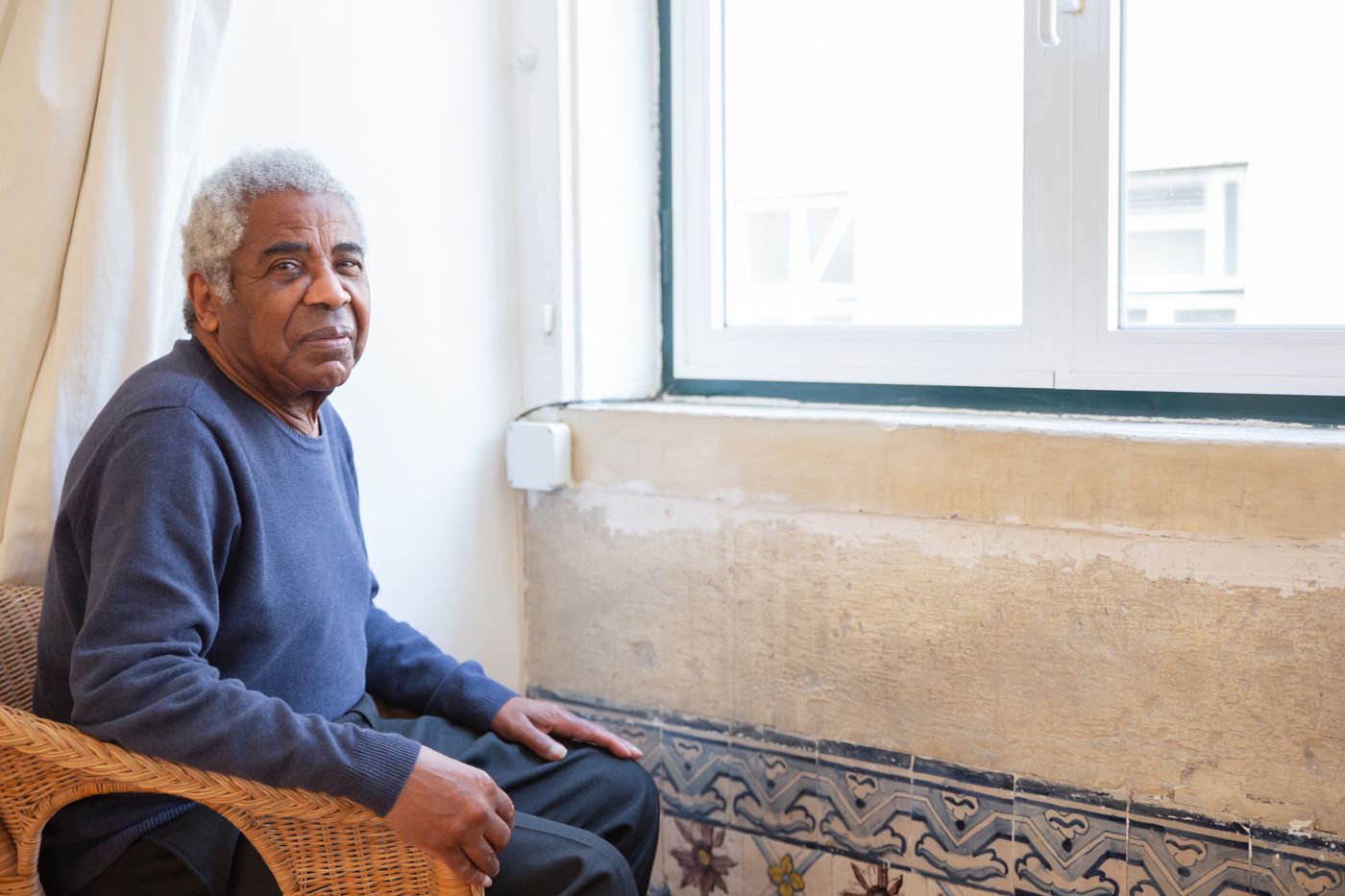
*Photo: Kampus Production / Pexels (free to use).*
Build a weekly rhythm (and an escalation plan when a check-in is missed)
Treat remote care like a schedule, not a mood.
Weekly rhythm (example you can adapt):
- Same day, same window for a live voice or video call (Sunday evening works for many families).
- Midweek async check: a short text or shared photo of meals, meds, or mail. Keep it light and specific.
- One local touchpoint each week: neighbor porch visit, faith-community volunteer, aide, or care manager note.
- One admin block for you: bills, portal messages, refill status, shared calendar updates.
NIA guidance for long-distance caregivers emphasizes staying connected with shared contact lists, shared calendars, telehealth attendance (with permission), and clear goals for short visits (What is long-distance caregiving?).
Escalation when a check-in is missed:
Write this down and share it with siblings and your local contact:
| Missed signal | First action (15-30 min) | Escalate if still unclear |
|---|---|---|
| No answer to scheduled call | Text, then try a second number | Call local contact to knock or check |
| Odd "I'm fine" after a known risk (dizzy day, storm, new med) | Video call for a visual check | Ask local contact for a same-day visit |
| Fall, confusion, or no food in house | Call 911 / local emergency services | You travel; activate POA/HIPAA plan |
| Portal red flags (missed refill, ER note) | Message clinician via portal | Schedule urgent telehealth or in-person |
Agree in advance who travels first, who covers pets/mail, and which hotel or spare key is ready. Panic decisions at midnight cost more than a boring written plan.

*Photo: Free Stock / Pexels (free to use).*
Paperwork first: POA, healthcare proxy, HIPAA releases, patient portals
Legal access is the remote caregiver's seatbelt. Put it on before the crash.
Prioritize, while your parent can still consent:
- Durable financial power of attorney for bills, banks, and insurance when needed.
- Healthcare proxy / medical power of attorney for decisions if they cannot speak for themselves.
- HIPAA authorization naming you (and a backup) so clinics will actually talk to you.
- Patient portal access (MyChart and similar) with shared logins only if your parent agrees, or proxy access the clinic supports.
- Advance directive / living will and a one-page emergency info sheet (meds, allergies, doctors, pharmacy, insurance IDs).
NIA's caregiving resources include worksheets for important documents and home safety, plus Eldercare Locator referrals for local help (NIA caregiver worksheets; Eldercare Locator: eldercare.acl.gov, 800-677-1116).
Money stress is common: 78% of caregivers report out-of-pocket costs, averaging about $7,242 per year (~26% of income in that study) (AARP 2021 family caregivers cost survey). Automating bills and confirming POA acceptance at the bank reduces expensive surprises.

*Photo: cottonbro studio / Pexels (free to use).*
Recruit your local team (neighbors, AAA/Eldercare Locator, care manager)
You cannot be the only sensor from another ZIP code.
Build a small bench:
- Neighbor or friend with a spare key who will knock if a call is missed (and who your parent likes).
- Area Agency on Aging / Eldercare Locator for meals, transportation, and benefits navigation.
- Geriatric care manager (aging life care professional) if needs are complex or siblings are stuck. NIA notes these professionals can assess, plan, and coordinate when family lives far away.
- Primary care office social worker or nurse line that knows you are the remote point of contact.
- Faith community or senior center volunteers for companionship drop-ins.
Handing over a house key is trust, not surrender. Document who has access, when they check, and how they report back. That local presence is what camera apps often fail to replace without creating guilt.
If the long-term goal is staying home, pair the local team with aging-in-place planning. Most older adults want exactly that: 75% of adults 50-plus want to stay in their current home, and 73% want to stay in their community (AARP 2024 Home and Community Preferences).
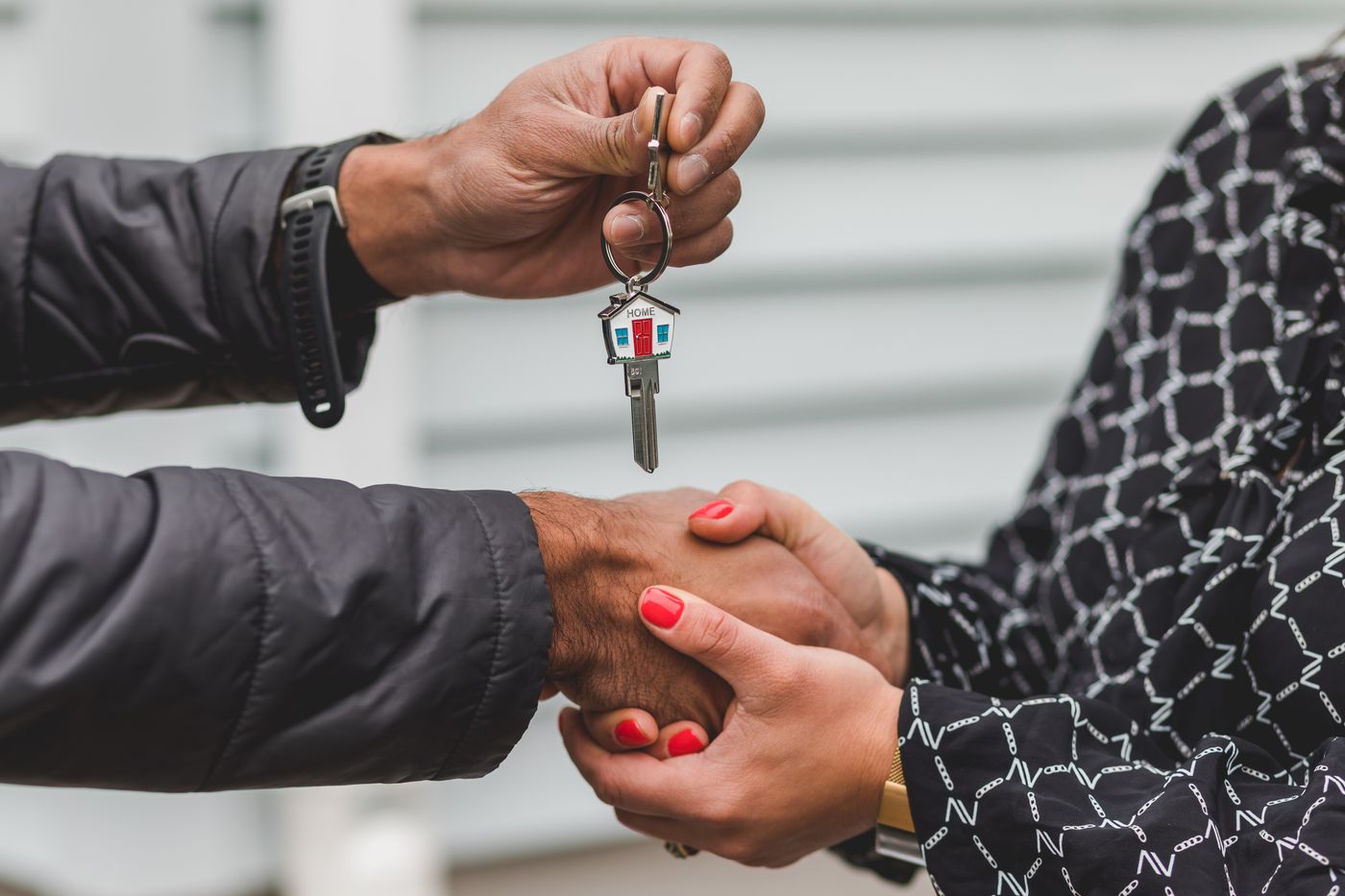
*Photo: Pexels (free to use).*
Layer tech that works when you're not in the room (alerts, portals, companion support)
Remote monitoring jumped from 13% of caregivers in 2020 to 25% in 2025 (AARP/NAC 2025, Fig. 25). Adoption is rising. Abandonment still happens when tech feels like surveillance or when parents must manage updates, passwords, and charging.
Use a layered stack:
- Clinical layer: patient portal messages, refill alerts, telehealth with you on the call (permission first).
- Safety layer: medical alert for outdoors and bathrooms if falls are a risk. Compare options in home care robot vs medical alert for fall detection.
- Presence layer: consented check-ins and companionship that reduce empty hours without a webcam wall. Loneliness is not a "nice to have." See how companion robots help lonely seniors at home.
- Family ops layer: shared calendar, shared contact sheet, simple group chat for siblings.
Presence vs surveillance: camera feeds can create guilt for adult children and resentment for parents. Many families install them after a scare, then stop watching. A better design goal is consented local presence: the older adult knows what is on, who gets alerts, and how to pause it. Companion support that starts a conversation ("How was lunch?") often beats a silent camera that only proves something went wrong after the fact.
Parent-zero tech load: family sets up Wi-Fi, accounts, charging docks, and alert routing. The senior mostly talks, answers a simple prompt, or wears one familiar device. If you need a script for introducing care tech without a fight, use how to talk to aging parents about a home care robot.
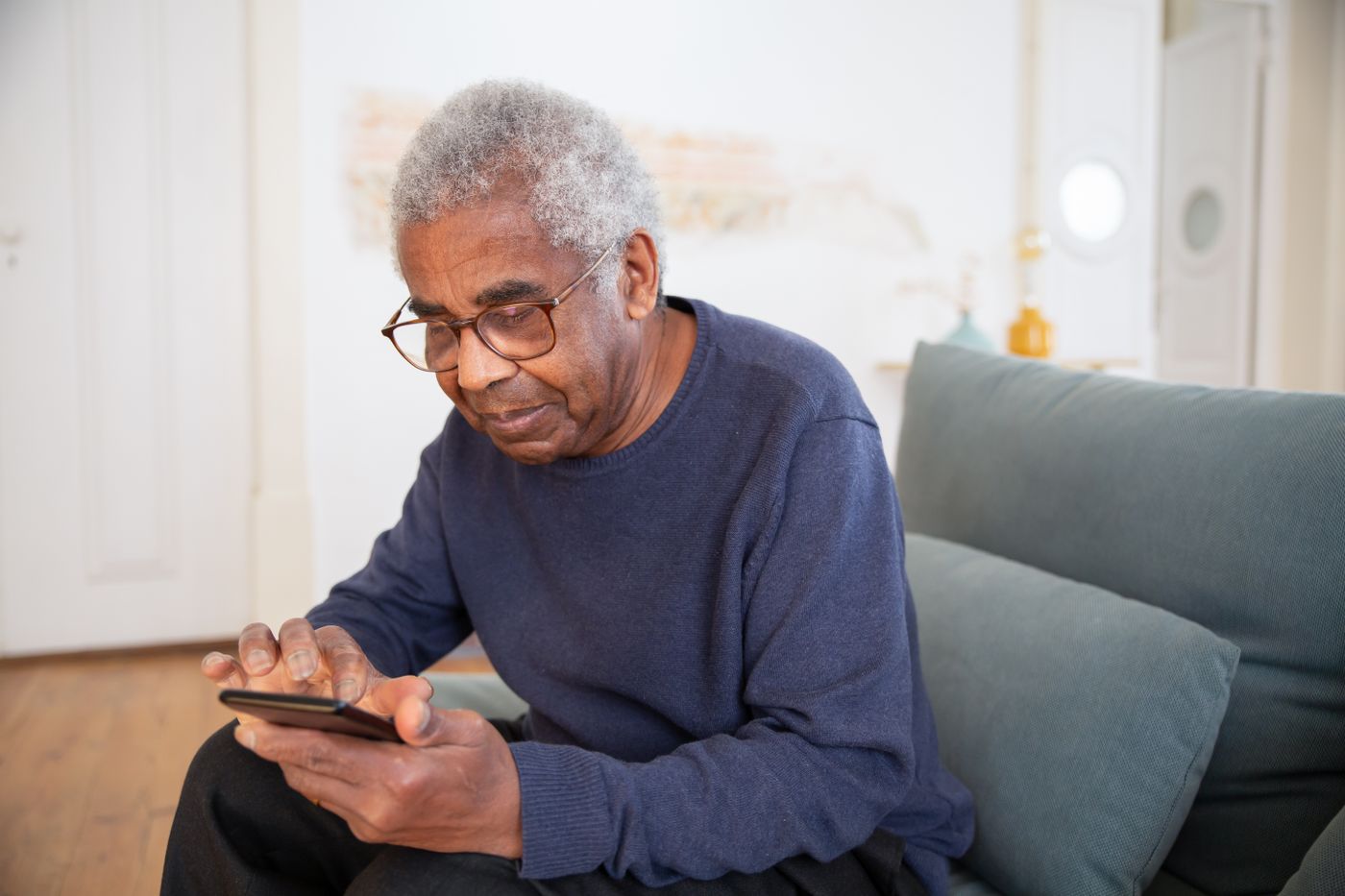
*Photo: Kampus Production / Pexels (free to use).*

*Photo: Pexels (free to use).*
What to inspect on visits that phone calls hide
NIA recommends planning short visits with clear goals, talking to the primary caregiver ahead of time, and choosing top priorities instead of trying to fix everything in 48 hours.
Use a room-by-room eye (NIA's home safety checklist is a useful template):
- Kitchen: expired food, empty fridge, scorched pans, unused stove vs microwave-only meals.
- Bathroom: grab bars, wet floors, night lighting, meds left on counters.
- Mobility path: throw rugs, cluttered hallways, stairs without rails.
- Mail and bills: unopened envelopes, past-due notices, scam letters.
- Meds: blister packs vs loose piles, refill dates, duplicate prescriptions.
- Mood and cognition: unusual withdrawal, repeated stories, missed appointments.
- Yard and exterior: overgrown walks, dark entry, newspapers stacking up.
- Social life: who actually visits, and when loneliness peaks.
Do one joyful thing they choose (lunch out, photo album, porch sit). Visits that are only audits feel like inspections. Pair observation with affection. An adult child who shows up only to critique will get less honest answers next time.

*Photo: Andrea Piacquadio / Pexels (free to use).*

*Photo: Andrea Piacquadio / Pexels (free to use).*
When remote is not enough (and how to decide without panic)
Remote care has a ceiling. Crossing it does not mean you failed. It means needs changed.
Signals that distance alone is not enough:
- Repeated missed check-ins or unexplained injuries
- Weight loss, poor hygiene, or unsafe driving that locals confirm
- New cognitive changes that make phone instructions unreliable
- Care needs that require daily hands-on help (bathing, transfers, wound care)
- Your own health or job breaking under the stress load
Calm decision path:
- Write the facts (dates, who observed what), not the fear story.
- Ask the clinician and a care manager what level of support matches those facts.
- Compare options: more in-home hours, adult day programs, short respite, move closer, or a higher level of care.
- Align siblings on one plan and one spokesperson.
- Revisit the older adult's stated goals for aging in place before defaulting to "facility vs nothing."
If you need temporary human relief while you reassess, learn what respite care is and how families get a break.

*Photo: Kampus Production / Pexels (free to use).*
FAQ: another state, siblings, privacy, emergencies
How do I manage care if my parent lives in another state?
Use documents valid in their state (often prepared with an elder-law attorney where they live). Confirm banks and clinics will accept the POA and HIPAA forms. Keep a travel go-bag and a local contact who can open the door. NIA's Eldercare Locator helps you find services in *their* county, not yours.
What if siblings disagree about how often to check in?
Align on a shared observation list and one weekly rhythm first. Assign roles (portal watcher, bill payer, travel first-responder) instead of arguing about who cares more. If you stay stuck, a neutral care manager can facilitate.
How do we respect privacy without going dark?
Consent is the rule. Agree which rooms have sensors, who gets alerts, and how to pause monitoring. Presence and companionship with clear rules usually beat secret cameras. For category basics, see what an AI companion robot is.
What should I do in a true emergency from afar?
Call local 911 with the address and known medical details. Then call your local key-holder. Use HIPAA/POA contacts to reach the hospital. Travel if needed. Do not rely on a group chat as the emergency plan.
Is a daily video call enough?
It is a strong habit, not a complete system. Pair it with local eyes, paperwork, and alerts for the hours nobody is watching.

*Photo: Kampus Production / Pexels (free to use).*
Conclusion
Long-distance caregiving fails when love is stuck in a phone call. It works when you treat distance as a design problem: reduce info lag, recruit local presence, lock down paperwork, and layer tech that your parent barely has to operate.
Start this week with three moves: put the next check-in on a repeating calendar with an escalation path, confirm HIPAA/POA status, and name one local person who will knock if a call is missed. Add companion presence only with consent, and keep the senior's job simple: talk, answer, live their day.
Families building that kind of calm remote system can explore how Rhem supports consented companion presence at home, or keep reading practical guides on the Rhem Labs blog.