
How to Help a Senior Recover at Home After Hospital Discharge (2026)

Coming home after a hospital stay is often harder than the stay itself. Nurses are gone. Medications changed. The house still has the same rugs and dim hallway. Families get a stack of papers and a same-day exit. This guide is a hospital discharge checklist for seniors, plus where a home care robot can help with reminders, check-ins, and early warnings without replacing clinicians or aides.
Key Takeaways
- U.S. hospitals report an average all-cause readmission rate of about 14.7%, based on CMS-sourced data across thousands of facilities (Definitive Healthcare analysis, accessed March 2025).
- Structured discharge programs such as AHRQ's Re-Engineered Discharge (RED) cut post-hospital use by about 30% in randomized research, preventing one readmission or ED visit for every seven patients.
- Older adults face their highest home-fall risk in the first 7 days after leaving acute care, with injury-fall rates far above later weeks.
- Before the ride home, lock down five things: the medication list, home safety, follow-up appointments, who is on duty the first 72 hours, and red-flag symptoms.
- A home robot can support the checklist with spoken med cues, vitals trends, and presence between human visits. It is not a nurse, a 911 substitute, or a reason to skip home health when it is ordered.
*Photo: Unsplash (free license).*
Before You Begin: What Families Need Ready
By the end of this section, you should know what to gather *before* discharge day so you are not improvising in the parking lot.
What you will need:
- The full discharge summary and After Hospital Care Plan (or equivalent written instructions)
- A current medication list that shows what to start, stop, and change
- Confirmed delivery or pickup for equipment (walker, oxygen, hospital bed, wound supplies)
- Names and phone numbers for the primary clinician, after-hours line, pharmacy, and home health agency
- A named person covering nights and the first 72 hours at home
- Time: start planning as soon as admission is underway; the day-of checklist takes 60-90 focused minutes
- Difficulty: Intermediate for most families; Advanced if wounds, oxygen, catheters, or cognitive impairment are involved
If your parent wants to age in place, treat this transition as the stress test. Hospitals move fast. Slow the handoff until the home plan is real.

*Photo: Pexels (free to use).*
Step 1: Get a Written Discharge Plan You Can Actually Use
By the end of this step, you will leave with instructions that name diagnoses, meds, follow-ups, and who to call, not a vague "call if anything changes."
Medicare frames discharge planning as deciding what care someone needs after the hospital so the move home (or to rehab) is safer. The Family Caregiver Alliance notes quality varies widely, and families often inherit tasks nobody assigned to a named person.
Do this before you sign anything:
- Ask for the written After Hospital Care Plan or discharge summary in plain language.
- Confirm diagnosis names you can pronounce and explain to siblings.
- Write down red-flag symptoms and whether to call the clinic, the after-hours line, or 911.
- Ask who trains you on wound care, transfers, oxygen, or injections, and get those steps in writing (or with a link to a hospital video).
- If you feel discharge is unsafe, say so clearly. Under Medicare, patients can appeal a discharge decision; hospitals must provide the "Important Message from Medicare" form that explains how.
Verify: You can answer, without the nurse in the room, what changed in the hospital, what the next appointment is, and what symptom would send you back tonight.
In many states, the CARE Act requires hospitals to record the family caregiver, notify them about discharge, and teach medical tasks for home. Raise that if staff are rushing.

*Photo: Unsplash (free license).*
Step 2: Reconcile Every Medication Before You Leave
By the end of this step, you will have one master list that matches what the pharmacy will fill tonight.
Medication errors are a top driver of bounce-backs. CDC medication-safety data notes that older adults visit U.S. emergency departments for adverse drug events more than 600,000 times each year, more than twice as often as younger people, with anticoagulants, diabetes agents, and antibiotics among the leading causes (CDC Medication Safety FastStats, updated April 2024). National surveillance also shows higher medication-harm ED visit rates for adults 65+ than for younger adults (JAMA, 2017-2019).
AHRQ's Re-Engineered Discharge work treats medication teaching as core. In Boston University trials summarized in the AHRQ RED Toolkit, patients who received RED had about a 30% lower rate of hospital utilization within 30 days, and one readmission or ED visit was prevented for every seven patients.
Checklist:
- Compare pre-hospital meds with the new list side by side.
- Mark start / stop / change for every drug, dose, and time.
- Ask which high-risk meds (blood thinners, insulin, opioids, diuretics) need labs or special monitoring.
- Confirm the pharmacy has the new prescriptions and that prior-auth will not delay the first dose.
- Put the master list on the fridge *and* in a phone note shared with siblings.
At home, pair the paper list with the systems that keep doses on time. Our guide on how to remember medications at home covers pillboxes, apps, shared logs, and spoken robot cues. A home robot can remind, ask whether a dose was taken, and nudge a family member if doses are repeatedly missed. It should never invent dosing advice or override the written plan.
Verify: Tonight's first doses are filled, labeled, and scheduled, and every duplicate or discontinued pill is out of the daily box.

*Photo: Pexels (free to use).*
Step 3: Make the Home Safe for Weak Legs and Foggy Days
By the end of this step, the path from bed to bathroom will be clear, lit, and set up for the first night.
Fall risk spikes right after discharge. A 2024 cohort study found injury falls at home were highest in the first 7 days after acute care, with a period incidence rate about 74 times higher than after 90 days (Journal of Trauma Nursing, 2024). A systematic review notes that roughly 40% of older adults fall at least once in the six months after leaving the hospital, with many falls causing serious injury (PMC).
Walk the house the day before pickup if you can:
- Remove throw rugs, cords, and clutter on the bed-to-bath route.
- Add night lights; leave a lamp on for 2 a.m. bathroom trips.
- Confirm grab bars, a raised toilet seat, or a shower chair if balance is limited.
- Stage the walker or cane where it will be used, not in a closet.
- Move frequently used items to waist height so nobody climbs.
Compare passive pendants with proactive sensing in our home care robot vs medical alert for fall detection guide. Many families keep a medical alert and add a robot that checks in after unusual quiet. Neither replaces clearing the floor.
Verify: You can walk the nighttime path in dim light without stepping over hazards, and help is reachable without shouting across the house.

*Photo: Pexels (free to use).*
Step 4: Lock Follow-Ups, Home Health, and Equipment Before Pickup
By the end of this step, appointments and deliveries will have dates, not "someone will call you."
Missed follow-ups and delayed equipment are classic readmission traps. Definitive Healthcare's March 2025 analysis of CMS-sourced measures put the average all-cause readmission rate at 14.67% across reporting U.S. hospitals (Definitive Healthcare, June 2025). The first weeks at home are still part of acute recovery.
Before leaving:
- Schedule the primary-care or specialist visit the discharge team wants (often within 7 days).
- Confirm home health nursing or therapy if ordered, including the start date and agency phone number.
- Check that DME (oxygen, hospital bed, bedside commode) is delivered *before* or on arrival day.
- Ask which labs or imaging are still pending and who owns the results.
- Save the after-hours number that is real on nights and weekends.
If paid help is part of the plan, price it honestly. Our 2026 in-home care cost guide walks through CareScout hourly rates and what Medicare typically does and does not cover. A robot can stretch human hours. It cannot bathe someone or change a complex dressing.
Verify: Calendar invites exist, equipment has a delivery window, and one person owns calling the agency if nobody shows.

*Photo: Unsplash (free license).*
Step 5: Staff the First 72 Hours Like a Shift Schedule
By the end of this step, nights and mornings will have named humans, not hopeful group texts.
The first three days are when new meds, dehydration, dizziness, and confusion show up. Meals, transfers, bathroom help, and wound checks land at once. That is also where caregiver burnout accelerates if one person does everything alone.
Build a simple coverage table:
- Name who stays the first night and who relieves them at breakfast.
- Assign pharmacy runs, meal prep, and pet care to different people.
- Agree on a shared note (paper or phone) for vitals, symptoms, food, fluids, and bowel/urine changes.
- Decide the escalation rule: which symptoms wake the covering person vs which go straight to 911.
- Protect one short rest block per primary caregiver each day.
A home robot helps as a bridge, not a babysitter: morning check-ins, med and fluid reminders, and alerts if a planned check-in is missed. Keep human coverage overnight when mobility or cognition is fragile.
Verify: Every block of the first 72 hours has a named person who has accepted the shift in writing.

*Photo: Pexels (free to use).*
Step 6: Set Daily Monitoring: Vitals, Symptoms, and Robot Check-Ins
By the end of this step, you will have a repeatable daily loop that catches problems early.
What to track depends on the diagnosis, but most post-discharge plans benefit from:
- Morning and evening symptom notes (pain, shortness of breath, dizziness, confusion, wound changes)
- Weight, blood pressure, heart rate, or oxygen saturation when the clinician asks for them
- Medication adherence marks (taken / refused / vomited / delayed)
- Fluid and food intake if dehydration or poor appetite is a risk
- Activity and rest balance, including short supervised walks when cleared
A home health robot can help with consistency: prompting a blood pressure check at home, storing trends, and escalating when readings sit outside the clinician's band. Pair that with judgment. Rising ankle swelling plus climbing weight is a clinical story, not a gadget alert.
Keep expectations honest:
| Need | Human caregiver / clinician | Home robot | Medical alert |
|---|---|---|---|
| Wound care, transfers, bathing | Yes | No | No |
| Medication reminders | Yes | Strong support | Limited |
| Vitals trend logging | Sometimes | Strong support | Rare |
| Fall after a collapse | Responds in person | May detect / check in | Can call for help |
| Changing the care plan | Clinician only | Never | Never |
Verify: You can show three days of notes (or robot logs) that a covering sibling could read and continue without a briefing call.
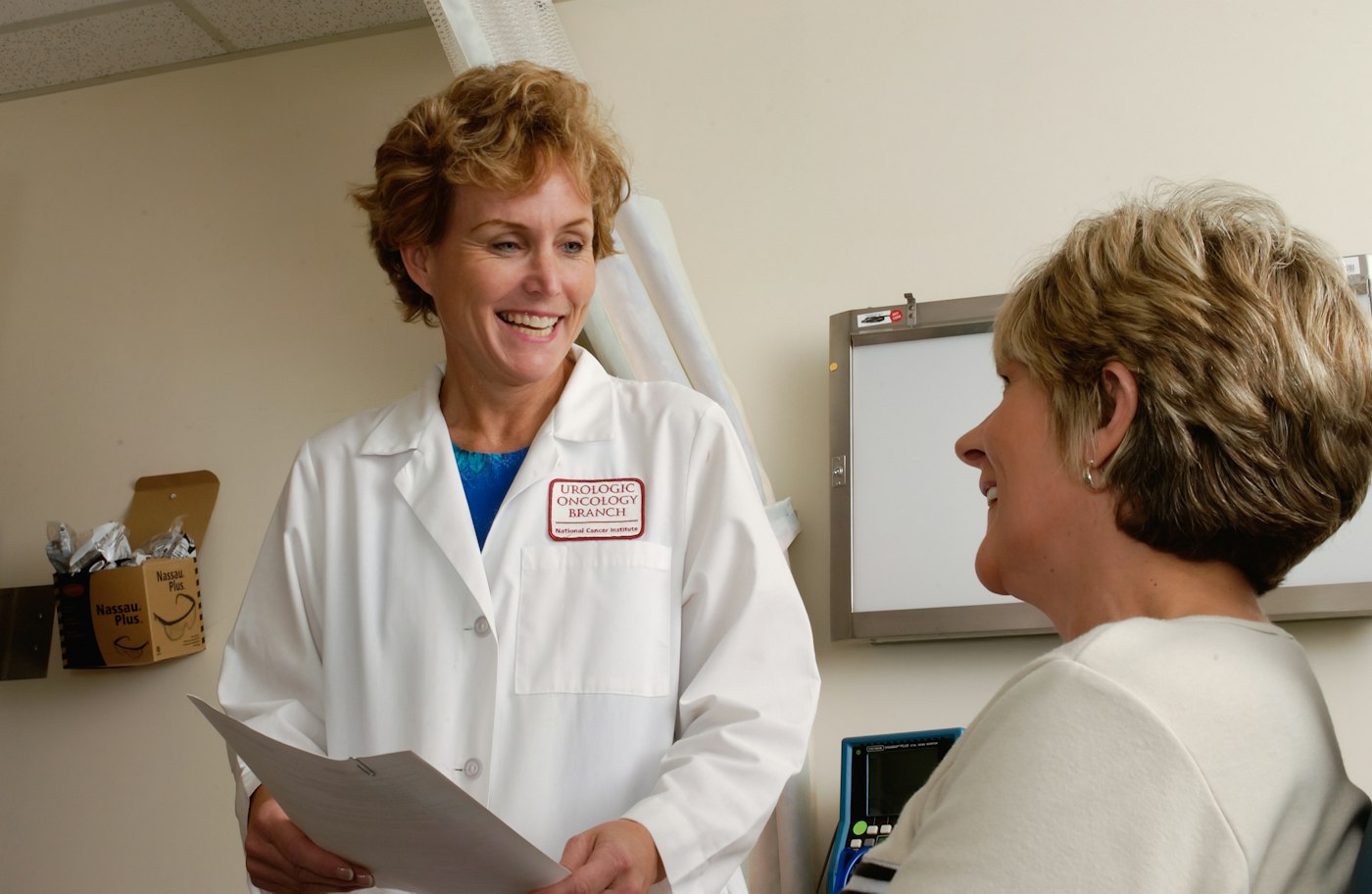
*Photo: Unsplash (free license).*
Common Mistakes Families Make After Discharge
1. Treating "medically stable" as "safe at home tonight." Stability in a hospital bed does not prove someone can transfer to the toilet at 3 a.m. Ask about functional mobility, not just labs.
2. Leaving the old pill bottles in the weekly box. Duplicates and discontinued drugs cause many preventable harms. Physically separate stop-list meds the same day.
3. Waiting for home health to "call sometime." Confirm the start date before you leave. If the agency slips, call the discharge planner the same day.
4. Putting one exhausted adult on every night shift. Coverage fails when the primary caregiver collapses. Share nights early.
5. Assuming a robot or smart speaker replaces ordered nursing. Devices support routines and awareness. Skilled nursing, therapy, and hands-on care still follow the clinical plan.
What Success Looks Like in the First Two Weeks
If the plan is working, you should see:
- Medications taken on schedule with no mystery bottles in the kitchen
- Follow-up visits attended (or clearly rescheduled)
- No unplanned ER trip for a preventable med mix-up or home fall
- A shared log that any covering family member can continue
- The older adult sleeping in their own bed with a clear path to the bathroom
- Caregivers who still have at least one protected rest block most days
Stretch goal: by day 14, shift from crisis mode to a weekly rhythm (therapy, meals, robot check-ins, one family update). That turns hospital recovery into aging-in-place support instead of a revolving door.

*Photo: Pexels (free to use).*
Frequently Asked Questions
How soon after hospital discharge should a senior see their doctor?
Many discharge plans ask for primary-care or specialty follow-up within about a week, sometimes sooner after heart failure, surgery, or major medication changes. Use the date on the written plan. If no appointment exists when you leave, make one before you drive home.
Can a home robot replace home health nursing after discharge?
No. Home health nurses and therapists handle skilled tasks, clinical assessment, and care-plan changes. A robot can remind, check in, help log vitals, and alert family between visits. Keep ordered nursing and therapy on the calendar.
What should we watch for in the first 72 hours?
Follow the red flags on your discharge sheet. Common urgent concerns include chest pain, new confusion, fainting, uncontrolled bleeding, severe shortness of breath, a wound that opens or looks infected, or an inability to keep down medicines and fluids. When in doubt, use the after-hours number or 911 rather than waiting for morning.
Is it normal to feel overwhelmed as the family caregiver?
Yes. Split shifts, accept help, and watch for burnout early. Paid care and community services are part of a safe plan, not a failure.
Conclusion
A safer homecoming is mostly coordination: a usable plan, reconciled meds, a fall-ready house, booked follow-ups, named coverage for 72 hours, and a daily monitoring loop. Structured discharge design (including AHRQ RED) reduces return trips. Treat the first week as high-risk recovery, not "back to normal."
Then decide where human help, medical alerts, and a home care robot each fit. Explore Rhem at rhem.ai when you want proactive support between the visits that still matter most.