
Why Eldercare Is the Most Important Market for Humanoid Robotics

The humanoid industry is shipping to factories. The market that actually matters is still at home.
Key takeaways
- Eldercare is the largest, most urgent job for robots because aging is a demographic fact, not a trend cycle.
- Most older adults want to stay in their own homes. The bottleneck is care capacity, not desire.
- In 2026, humanoid shipments are real, but they are still mostly research, entertainment, and factory pilots. Homes are a rounding error.
- Homes are harder than warehouses: unstructured space, frail people, liability, and trust.
- The first robot that belongs in eldercare will earn its place on health, safety, and check-ins, not on folding laundry.
*Photo: Age Cymru / Unsplash*
The industry went to the factory. The demand is in the living room.
Walk the humanoid news in 2026 and you will see the same stage set. A biped on a factory floor. A tote in a warehouse. A demo of a robot that can walk, pick, and place.
That is not a mistake. Factories are where the unit economics are easiest to explain. The floor is mapped. The task repeats. If the robot fails, you stop a line. You do not put a parent on the floor.
But it is the wrong center of gravity.
The United States is about to hit a demographic turning point the Census Bureau has been warning about for years: by 2030, all baby boomers will be 65 or older, and about one in five Americans will be retirement age (U.S. Census Bureau). About 10,000 people have been crossing that line every day as the boom generation ages (Census).
That is not a niche. That is the country.
And most of those people do not want a facility. AARP's 2024 Home and Community Preferences survey found that 75% of adults 50 and older want to remain in their current home for as long as possible, and 73% want to stay in their current community (AARP). The desire to age in place is not a slogan. It is the default plan.
So you have a huge, growing population that wants to stay home, a care system that cannot staff that preference at the scale coming, and a robotics industry that is busy teaching machines to move boxes.
If you are building humanoids and you skip eldercare, you are optimizing for the demo, not the demand.

*Photo: Elliott Brown / Flickr, CC BY-SA 2.0. Robotic arms at Thinktank, Birmingham.*
The conventional view: factories first, homes later
The mainstream position is reasonable on its face. Get the body working in a structured environment. Prove reliability. Drive cost down. Then, someday, send the same general-purpose machine into the house to cook, clean, and "help mom."
That story is popular because it rhymes with every other hardware curve. Phones, cars, industrial arms: ship the easy environment, then generalize.
It is also what the 2026 shipment data looks like. Counterpoint Research counted more than 22,000 humanoid shipments in the first half of 2026, up nearly 300% year over year. Entertainment, performance, data collection, and research still made up more than 60% of those units. Intelligent manufacturing was 13%. Warehousing and logistics were 5% (Counterpoint Research, August 2026).
Homes and eldercare do not even get their own line in that mix. That is the tell.
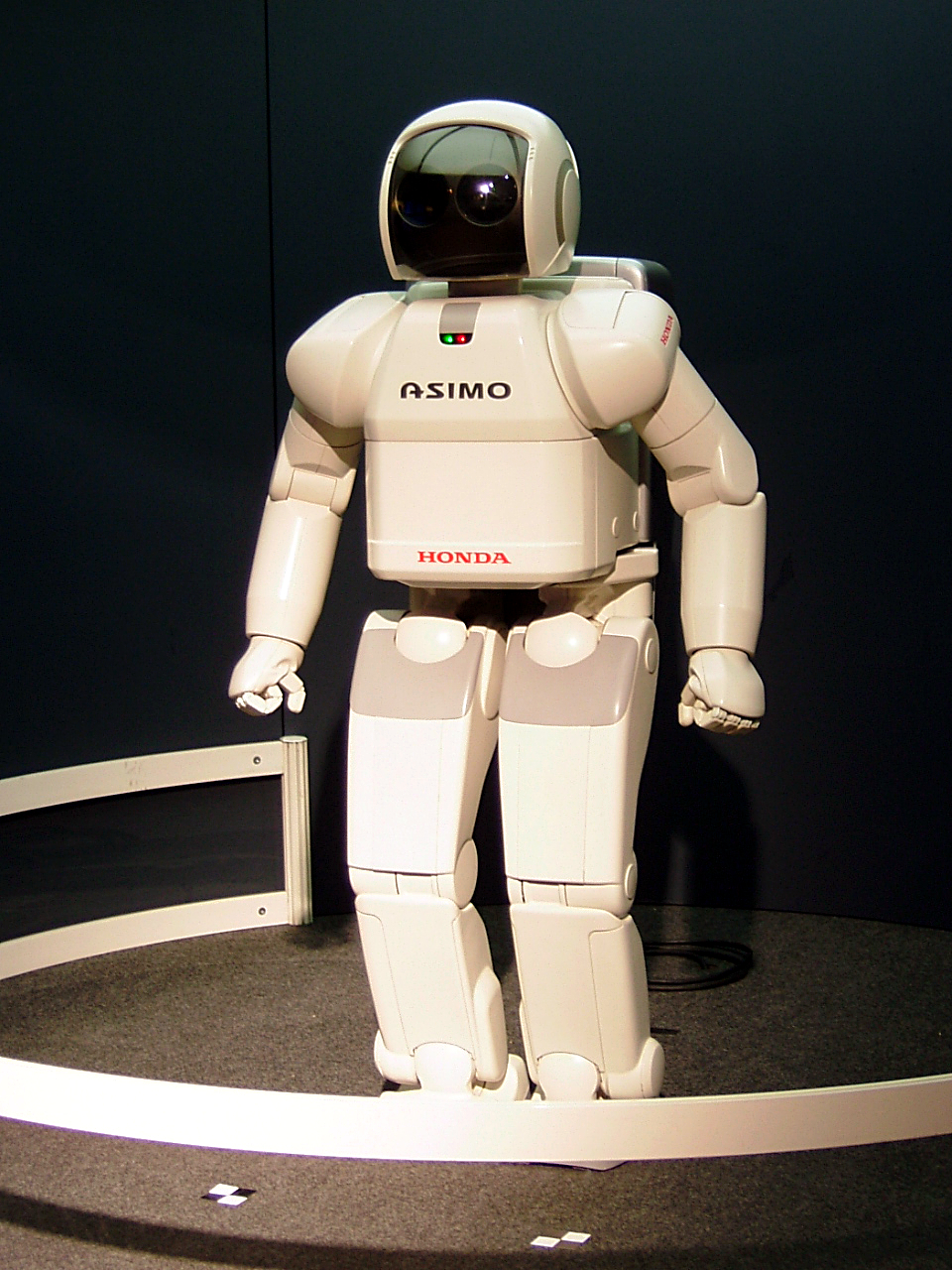
*Photo: Gnsin / Wikimedia Commons. Honda ASIMO at Expo 2005.*
The people advocating "factory first" are not villains. BMW, Amazon, Tesla, and the Chinese humanoid vendors are solving a real labor problem. If you can replace a repetitive industrial task at a known hourly rate, finance will fund you. If you say "this robot will keep your dad safe at 2 a.m.," finance will ask who is liable when it does not.
Why factory-first is the wrong map for this market
The flaw is treating eldercare as a later skin on the same robot. It is not. It is a different product, a different risk model, and a different definition of success.
The job is not manipulation. The job is not being alone when something goes wrong.
A warehouse robot wins if it moves totes. An eldercare robot wins if a fall is seen, a missed medication is caught, a daughter across the country knows her mom checked in, and a doctor visit starts with a week of numbers instead of a shrug. Those are health and safety problems, not pick-and-place problems.

*Photo: Age Cymru / Unsplash*
Chronic illness makes that sharper. Most older adults are not "well, just older." Analyses drawing on CDC data put the share of older adults with at least one chronic condition near 88%, and the share with two or more near 60% (npj Aging). The home is already a care site. The robot that belongs there has to live in that reality.

*Photo: agilemktg1 / Flickr, public domain. Home blood-pressure check.*
A house is not a factory with throw pillows.
Homes are unstructured on purpose. Rugs, pets, grandchildren, bad lighting, stairs, a kitchen that was last remodeled in 1994. The failure mode is not a dropped box. It is a frail person, a misread of intent, a robot that startles someone, or a false sense of safety that delays a human showing up.
You cannot A/B test that the way you A/B test a fulfillment cell. Families will not accept "works 92% of the time" around a grandparent.
Trust is the product.
Eldercare is intimate. Bathrooms, bedrooms, medications, money, video, voice. A company that treats the home like a data exhaust will not get a second chance. That is why we built Rhem so health data stays in the house and the robot can run without shipping that data to a cloud. Privacy is not a feature page. It is the permission to exist in this market.

*Photo: EU-Ukraine cooperation / Flickr, CC BY-SA 2.0.*
Put those three together and "we will do homes after the factory robot is good enough" starts to look like a category error. You can reuse motors and models. You cannot reuse the job.
What the data actually says about 2026
Humanoids are no longer science fair projects. Shipments in the tens of thousands are real. Counterpoint expects more than 50,000 units for the full year (Counterpoint).
Read that number next to the aging curve and it still looks small.
Tens of thousands of robots, mostly for stages, labs, and plants, against tens of millions of older adults who want to stay home. The industrial deployments are a beginning. They are not evidence that eldercare is "next quarter."
The market size argument is the other half. Eldercare is already a trillion-dollar-class services market because it is labor, housing, and health stacked on top of each other. Humanoid hardware is still in the prototype-to-pilot band. If you only follow robot revenue, factories look like the prize. If you follow human need and willingness to pay for staying independent, the prize is the home.
A useful reframe:
- Where is the labor shortage most painful and least optional? In care, not in tote moving.
- Where do people already say they want to be? At home (AARP 2024).
- Where is a robot's failure most expensive in human terms? Next to a person who can fall, stroke, or forget a critical med.
- What capability actually changes that picture first? Presence, sensing, escalation, and memory. Not a backflip.

*Photo: Jiuguang Wang / Flickr, CC BY-SA 2.0. Nao robot at Georgia Tech.*
That is why we keep saying aging in place is a robotics problem, not only a staffing problem. Staffing will not catch the 2030 curve. Hardware that only works on a painted factory lane will not catch it either.
Why we are not there yet
We are not there yet because the industry is still solving the body, and eldercare is a body-plus-judgment-plus-trust problem.
Safety and regulation. A robot that can apply force in a home with a person who has osteoporosis is a medical-adjacent device whether the pitch deck says so or not. Factories have lockouts and trained operators. Homes have guests, dogs, and bad days. The bar is higher, and it should be.
The long tail of the house. Every home is a one-off. General-purpose housework (laundry, cooking, "tidy up") is the hardest robotics problem that gets casually promised. It is also not the first problem families will pay to solve. They will pay to know someone is okay.

*Photo: agilemktg1 / Flickr, public domain.*
The wrong success metric. If your KPI is "hours of physical labor replaced," you will keep going to the warehouse. If your KPI is "hours a family can stop panicking," you build something else.
Business model lag. Care is paid by families, Medicare-adjacent services, and a maze of home-health incentives. Factories issue purchase orders. That is slower to sell into, which is why capital followed the PO.
None of that means wait. It means sequence the problem correctly.
The better sequence: earn the house, then earn the chores
The robot that belongs in eldercare first is not a general-purpose humanoid that also happens to notice a fall. It is a home health companion that is boringly good at the jobs that keep someone independent:
- Daily check-ins that actually happen
- Vitals you can take without a clinic visit
- Fall and distress alerts that reach the right person
- Medication and appointment memory
- A way for family to see the trend, not a once-a-week phone call

*Photo: agilemktg1 / Flickr, public domain.*
Do that reliably, privately, and with a personality people will leave in the room, and you have permission to take on harder physical work later. Skip that and you have a $20,000 appliance that families unplug.
That is the bet behind Rhem. We are a home-care robotics company, not a factory humanoid company. The form factor is a companion that lives where people already sit, talk, and take their meds. The work is health, safety, and presence. The point, as we put it on our about page, is simple: robots should give people more time to be human.
If the humanoid wave eventually walks into the same house, it should walk into a home that already learned how to trust a robot with something that matters.
What to do with this if you are building, buying, or worrying
If you are a founder or investor in humanoids, ask one question of every roadmap: which hour of an older adult's week does this actually take? If the honest answer is "none, until the hands get better," you are not in the eldercare market yet. You are in a hardware market that hopes to pivot.
If you are a health system, home-care agency, or family caregiver, do not wait for a biped that can cook. Ask what would make tonight safer: a missed-med catch, a fall alert, a vitals log for Thursday's appointment. Those products can exist before general-purpose humanoids are ready.
If you are a family trying to keep a parent at home, treat "robot" as a tool for check-ins and escalation, not as a replacement for people. The point is more human time, not zero humans.
We will know the industry is finally in this market when shipments have a real home-care line, when failure reports sound like clinical near-misses instead of dropped totes, and when the pitch is "your mom checked in" instead of "it can walk."
Until then, the most important market in humanoid robotics is the one almost nobody is shipping to.
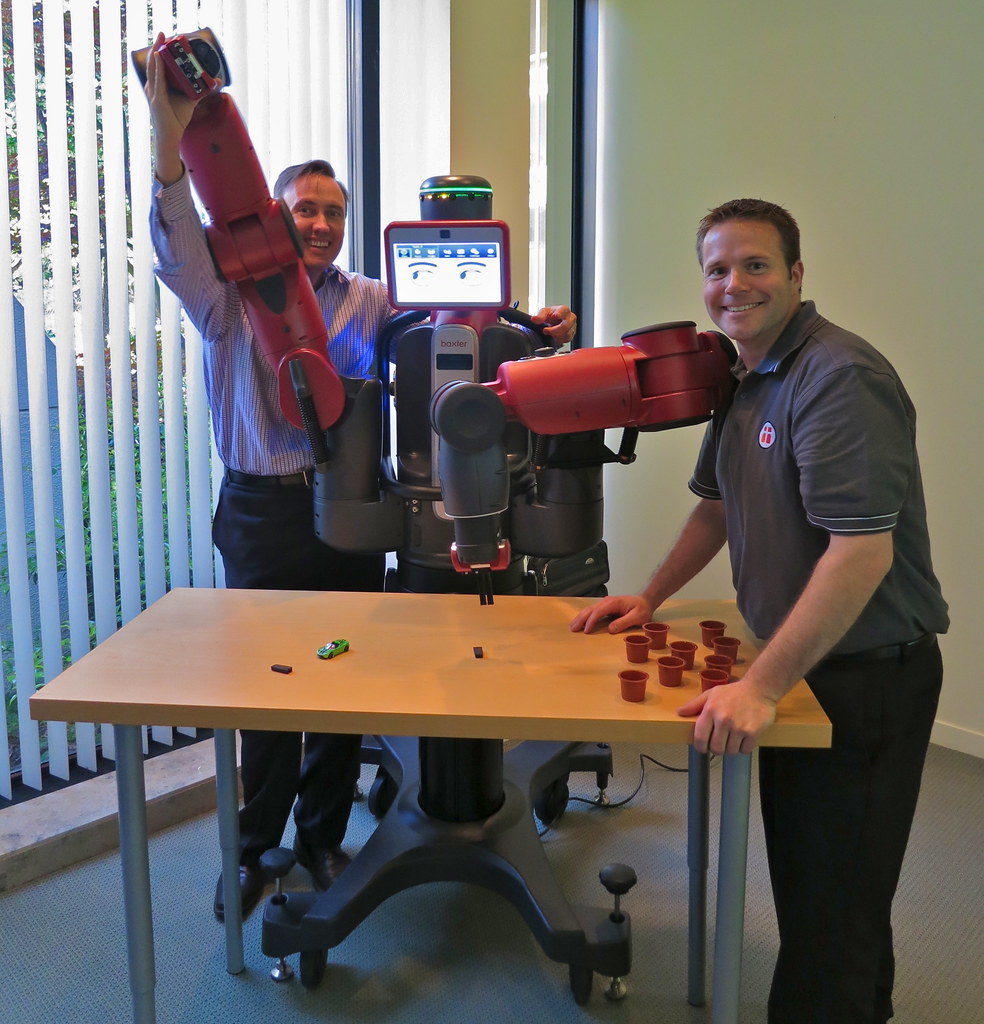
*Photo: Steve Jurvetson / Flickr, CC BY 2.0.*
FAQ
Why is eldercare more important than factory automation for humanoid robots?
Factory automation is a real business, but it is optional labor substitution. Eldercare is demographic. By 2030, one in five Americans is projected to be 65 or older, and most older adults want to stay in their own homes. The shortage is caregivers and overnight attention, not totes.
Why aren't humanoid robots in homes yet?
Homes are unstructured, the people in them are often frail, and the cost of a mistake is a person, not a part. 2026 shipment data still shows research, entertainment, and factories absorbing almost all volume. The hands are getting better. The trust, safety, and health problems are the longer pole.
Do families actually want a robot in eldercare?
Families want to keep someone home and know they are okay. AARP's 2024 survey found 75% of adults 50-plus want to remain in their current home. They do not want a gimmick. They will accept a robot that does check-ins, vitals, reminders, and fall alerts without turning the house into a surveillance product.
Is a full humanoid required for eldercare?
No. Bipedal general-purpose work is the long game. The first useful eldercare robot is the one that is present, private, and reliable on health and safety. Chores can follow after the household already trusts the machine.
How is Rhem different from factory humanoids?
Rhem is built as a home health companion: cuffless blood pressure, heart rate, SpO2, temperature, fall and distress alerts, reminders, and family check-ins, with health data kept in the home. It is not a warehouse biped. Reserve Rhem if that is the job you actually need done.