Nighttime safety for aging parents is less about buying one gadget and more about stacking the right layers: a lit path to the bathroom, fewer trip hazards, a way to call for help if a fall leaves someone on the floor, and consented tech that notices unusual silence without turning the bedroom into a surveillance room.
More than one in four adults ages 65 and older fall each year, and less than half tell their doctor. Falling once roughly doubles the chance of falling again (CDC Facts About Falls, updated 2026). Each year there are about 4.5 million emergency department visits for older adult falls, including about 1.4 million hospitalizations (CDC / WISQARS). Nights raise the stakes because vision is worse, bathrooms are slick, wandering is more common in dementia, and help may be hours away. This guide walks families through after-dark risks, a practical home checklist, what wearables and cameras can and cannot do, and where a consented AI companion robot fits as overnight presence, not a replacement for human care.
Key Takeaways
- Start with the house, not the hardware. Clear paths, night lights, grab bars, and a charged phone by the bed cut risk before any robot arrives (NIA room-by-room fall prevention).
- Bedroom, stairs, and bathroom dominate home fall ED visits (about 25%, 23%, and 23% among in-home falls in a 2015 national sample) (Haddad et al., AJLM / PMC).
- The silent danger is the long lie. In a study of people over 90, 80% of fallers could not get up after at least one fall, and 30% lay on the floor for an hour or more; call alarms were often unused (Fleming and Brayne, BMJ 2008).
- Wearables and cameras help, with gaps. Pendants only work if worn and pressed. Cameras need consent and someone watching. Robots can add check-ins, reminders, and escalation without asking a parent to remember a button at 2 a.m.
- Robots do not replace overnight humans for transfers, toileting help, redirected wandering, or clinical judgment. Pair tech with what respite care is and how families get a break and a local backup plan.
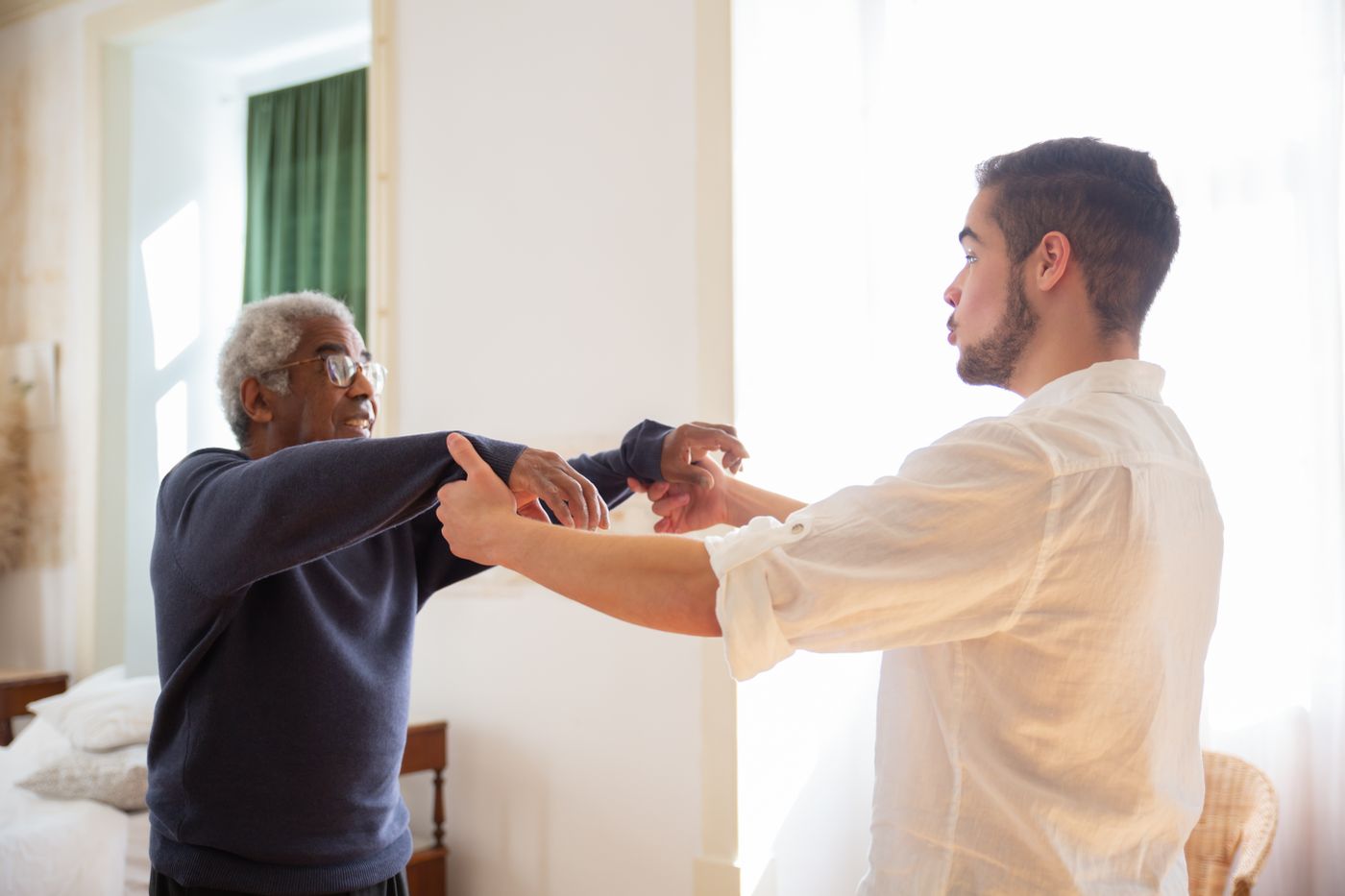
*Photo: Kampus Production / Pexels (free to use).*
Why nights are the highest-risk window for aging parents
After dark, ordinary habits become fall, wander, and "are they okay?" problems.
Daytime, a parent may move carefully with good light and a neighbor's knock. At night, the same bathroom trip happens half-awake, in socks, across a dark hallway. Among older adults treated in EDs for falls that happened at home, the most common locations were the bedroom (25.0%), stairs (22.9%), and bathrooms (22.7%) (Haddad et al., 2015 NEISS analysis). A hospital-based study of toileting-related falls found 63.3% occurred between midnight and 5:59 a.m. (Chen et al.).
Five overnight risks show up again and again for families:
- Bathroom trips: urgency, wet floors, and transfers on and off the toilet.
- Falls with a long lie: the injury is bad; lying alone for hours can be worse.
- Wandering or exit-seeking: more than half of people with dementia experience night-time wandering, which raises fall and elopement risk and drives caregiver burnout (Rose et al., 2020).
- Missed or delayed medications: evening and bedtime doses, pain meds, or "take if needed" pills get skipped when routines break. See how to remember medications at home.
- Silence after a problem: no call, no pendant press, no text. Adult children wake up wondering whether "quiet" means sleep or a crisis.
Fear of falling also changes behavior. CDC notes that many people who fall, even without injury, become afraid and cut activity, which weakens them and raises future risk (CDC Facts About Falls). Nighttime anxiety compounds that loop for both parents and caregivers. About 63 million U.S. adults provided ongoing care in the prior year (AARP and NAC, Caregiving in the US 2025), and sleep loss is a common tax: AARP summarizes research that dementia caregivers may sleep about 2.5 to 3.5 fewer hours per week than non-caregivers (AARP on caregiver sleep).

*Photo: Pixabay / Pexels (free to use).*
Step 1: Make the overnight path safer before you add tech
By the end of this step, the route from bed to bathroom should be lit, clear, and reachable without hunting for a switch.
The National Institute on Aging recommends room-by-room changes that still work in 2026. Treat these as non-negotiable baseline work, whether or not you later add a robot, alert pendant, or camera.
Bedroom and hallway checklist
- Put night lights and easy-to-reach switches close to the bed.
- Keep a flashlight by the bed for outages.
- Place a landline or well-charged phone within reach from the mattress.
- Clear cords, shoes, and throw rugs from the overnight path.
- Keep a walker or cane where the hand finds it in the dark, not in a closet.
Bathroom checklist
- Leave a light on in the bathroom at night, or use a light that turns on automatically in the dark.
- Mount grab bars near the toilet and in the tub or shower (installed into studs, not towel bars used as grab bars).
- Use nonskid mats or strips on wet surfaces.
- Consider a raised toilet seat or bedside commode if gait is unsteady at 3 a.m.
Whole-home overnight checklist
- Turn porch lights on if someone returns after dark.
- Mark the top and bottom of stairs; add railings on both sides when possible.
- Review medicines that cause drowsiness, dizziness, or night bathroom trips with a clinician or pharmacist (CDC lists sedatives and similar medicines among fall risk factors).
- Ask about a home safety visit from an occupational therapist when risk is high (CDC STEADI points clinicians and families toward multifactor prevention, not one product).
Verification: Walk the route yourself at night with only the night lights on. If you stub a toe or hunt for a switch, the setup is not ready for your parent.
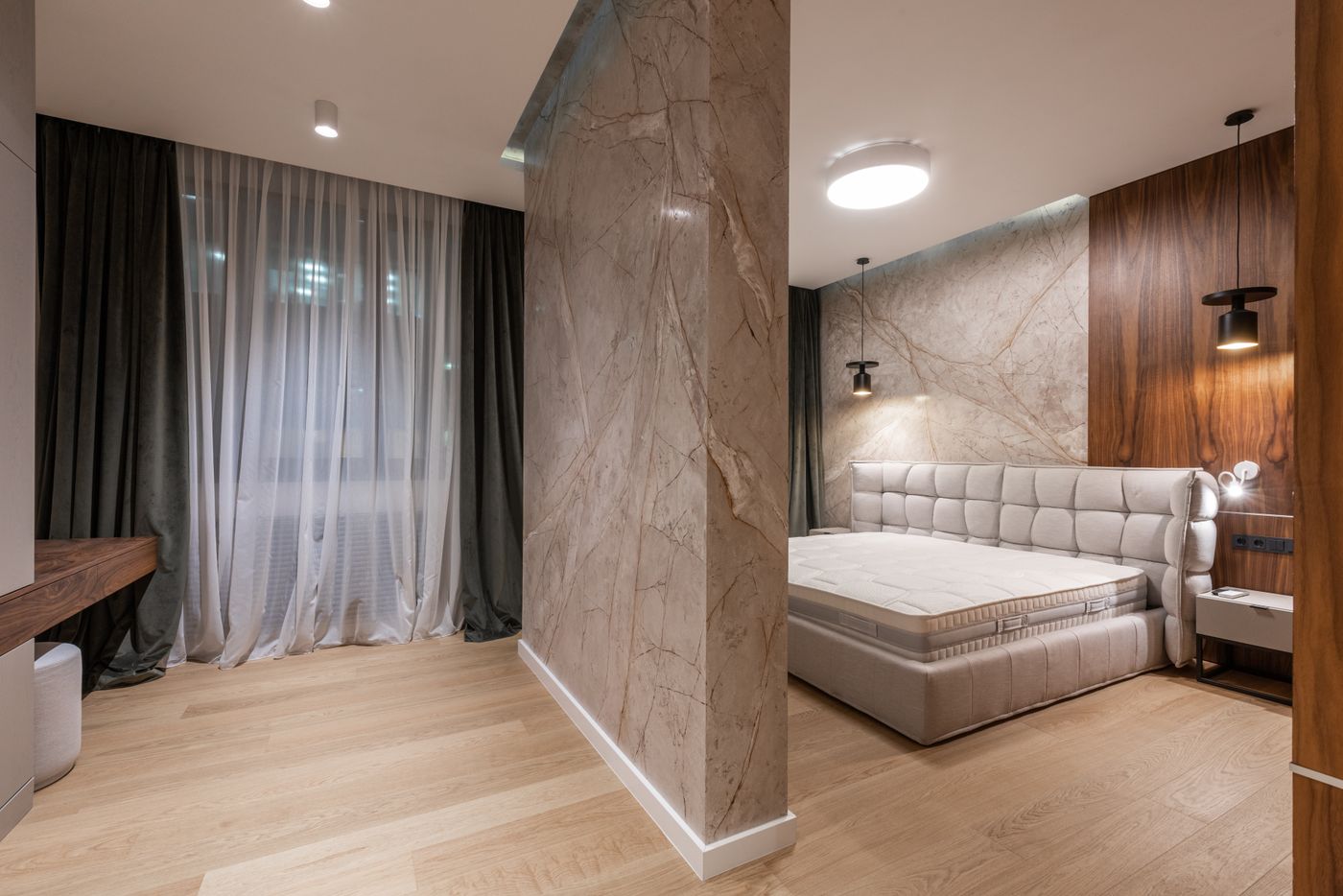
*Photo: Max Vakhtbovych / Pexels (free to use).*
Step 2: Understand what wearables, cameras, and medical alerts catch overnight
By the end of this step, you will know which overnight gaps your current tools leave open.
Families often stack three categories:
| Tool | Overnight strength | Overnight gap |
|---|---|---|
| Medical alert pendant / watch | Can call help after a fall if worn and activated (auto-fall detection on some models) | Not worn to bed; false alarms; no help if the person cannot press or speak |
| Bedroom or hallway camera | Visual check for adult children nearby | Privacy resistance; someone must watch or review; dark rooms reduce usefulness |
| Smart speaker | Voice call for help if the person can speak clearly | Misses silent falls; hearing and wake-word issues; limited fall context |
| Door / bed exit sensors | Alerts when someone leaves bed or opens an exit | Noise fatigue; does not prevent the fall on the way to the bathroom |
The "long lie" research is the hard truth for pendant-only plans. In Fleming and Brayne's prospective study of people over 90, 82% of falls happened when the person was alone, 80% of fallers could not get up after at least one fall, and 30% lay on the floor for an hour or more. Call alarms were widely available but not used in most long-lie cases (BMJ 2008). Designers and families should assume that asking a frightened, injured, or confused person to find and press a button is not enough.
For a product-level comparison of robots versus pendants, read home care robot vs medical alert for fall detection. For research-stage physical catch systems such as MIT's E-BAR, see can a home robot prevent falls before they happen. Neither replaces grab bars and clear floors.
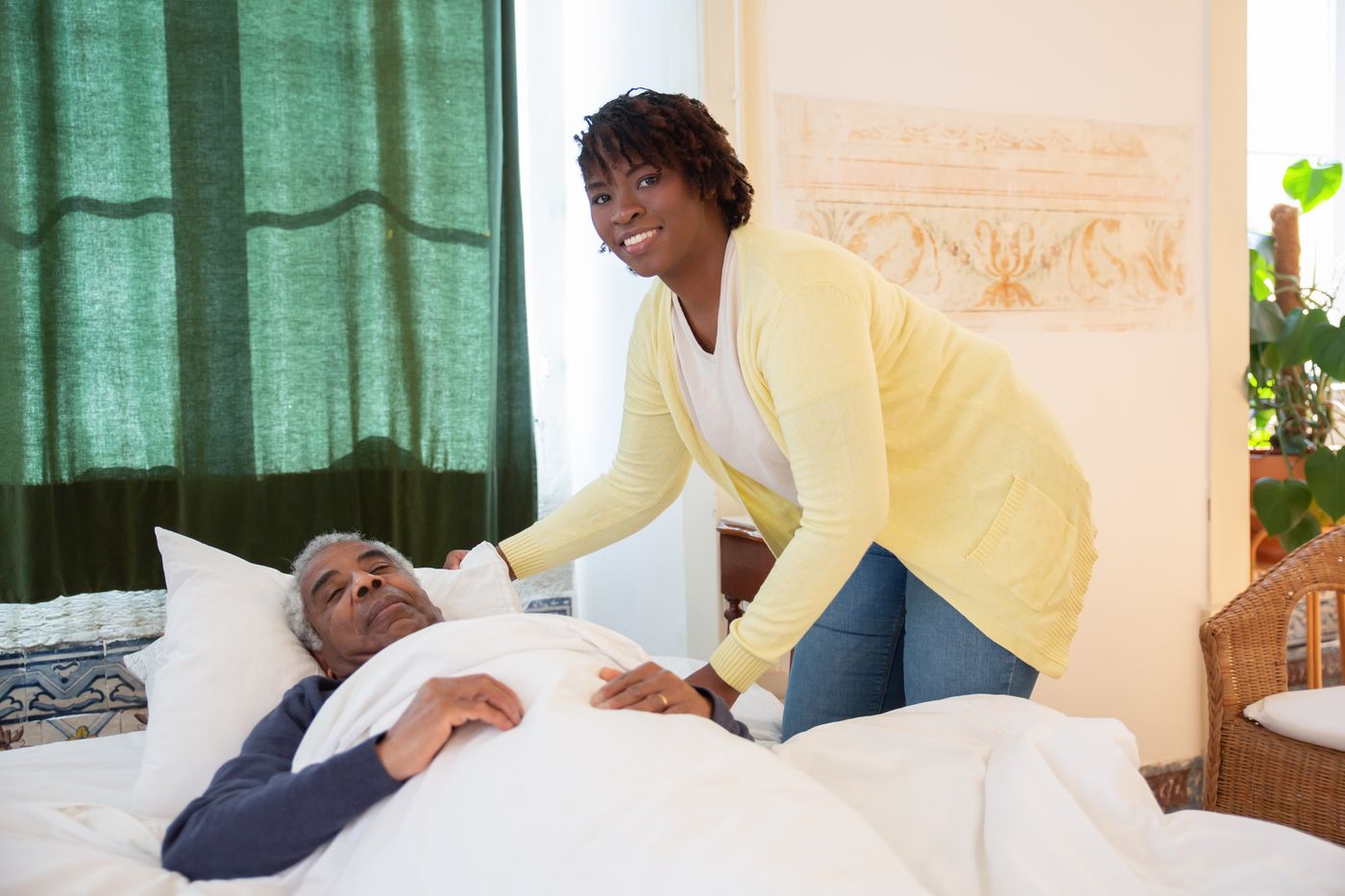
*Photo: Kampus Production / Pexels (free to use).*
Step 3: Decide where a consented home companion robot fits after dark
By the end of this step, you will have a clear "robot job description" for nights, written with your parent's consent.
A home companion robot is not a night-shift nurse. Used well, it is overnight presence with a narrow job: keep routines, notice anomalies, talk through fear, and escalate to humans when something looks wrong. Useful after-dark roles in 2026 usually look like this:
- Spoken check-ins on a schedule the parent agrees to ("It's 10 p.m. Are you settled?" / quiet morning confirmation).
- Medication and bedtime cues that do not require unlocking a phone.
- Company during restless hours so loneliness or mild confusion does not turn into a risky walk to the front door. For dementia-specific limits, see can a home robot help with dementia care at home.
- Escalation to family when a check-in is missed, activity patterns look off, or the parent asks for help. Distant adult children can combine this with the rhythms in how to check on aging parents from afar.
- Lower tech load on the parent than apps, dashboards, or remembering to charge a watch every night.
Consent is the gate. Cameras in bedrooms are a common fight. A robot that lives in shared space, speaks aloud, and only escalates on agreed rules often feels less invasive than always-on video. Use how to talk to aging parents about a home care robot for scripts, privacy answers, and a trial plan. Frame the robot as support for aging in place, not as proof that the family is "watching."
Write the overnight rules down:
- Which rooms the robot may enter at night
- What counts as an emergency escalation vs a soft check-in
- Who gets the first call (sibling, neighbor, paid aide)
- What the robot must never do (share video without consent, lock doors, give medical advice)
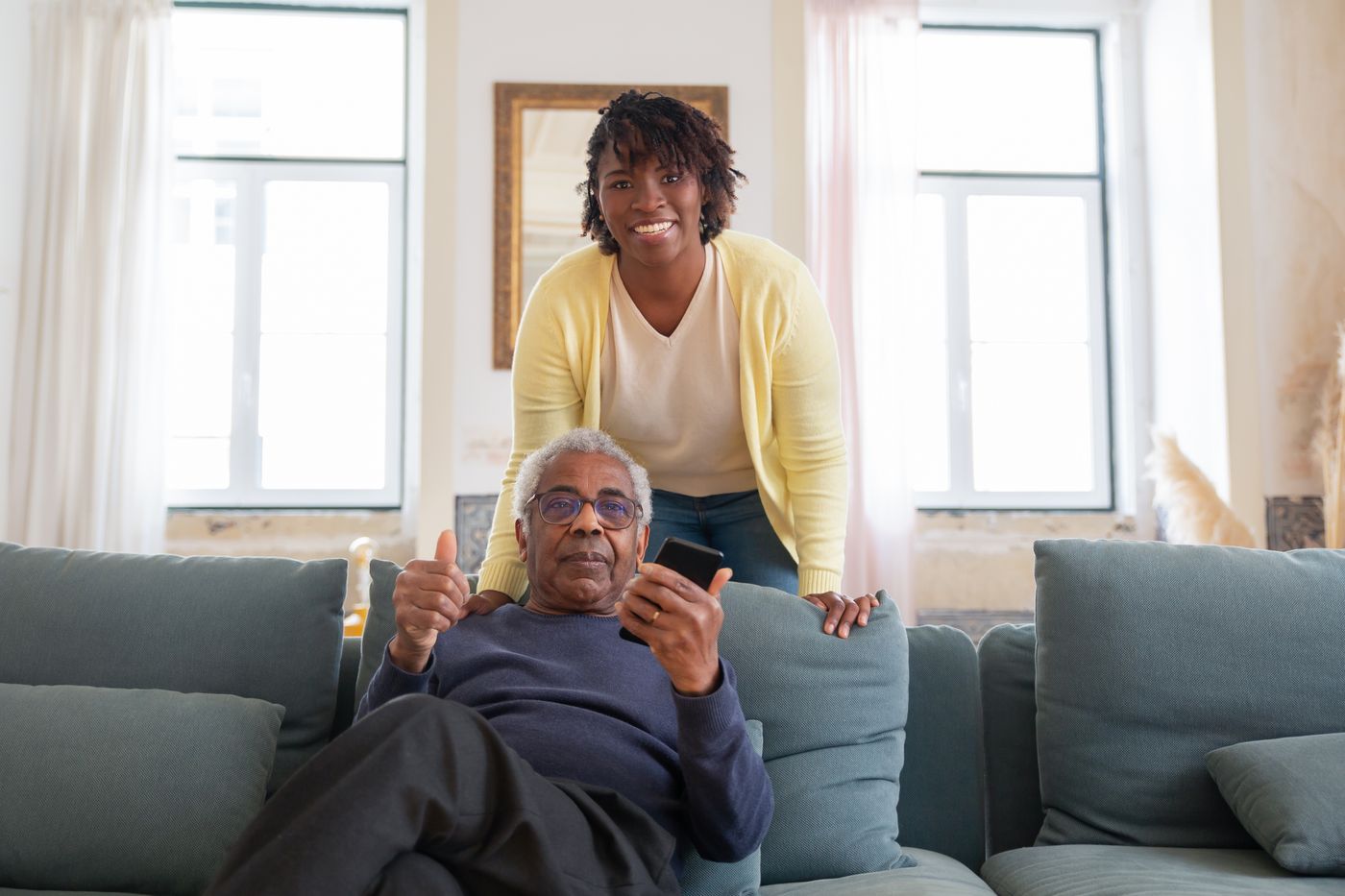
*Photo: Kampus Production / Pexels (free to use).*
What home robots cannot do overnight (and should not claim)
If the task needs hands, clinical judgment, or physical redirection, keep a human in the plan.
Be blunt with siblings who want a robot to "cover nights" so no one has to hire help:
- No safe autonomous transfers. Getting someone off the floor or onto a toilet still needs trained hands when balance and pain change mid-move.
- No guaranteed fall catch in consumer homes. Research prototypes explore physical support; shipping companion robots are not certified fall-arrest systems for unsupervised nights.
- No substitute for redirected wandering. A confused parent heading for the door may need a person in the hallway, not only an alert.
- No diagnosis from silence. A missed check-in can mean deep sleep, a dead battery, or a stroke. Humans still triage.
- No consent workaround. Hiding a camera or a robot "for their own good" breaks trust and can backfire the first time the parent finds it.
The honest stack for high-risk nights is usually: home modifications + human coverage (family, paid overnight, or rotating sitters) + alerts + optional companion robot for presence and escalation. Tech reduces load. It does not erase the need for sleep shifts and respite care.
*Photo: Andrea Piacquadio / Pexels (free to use).*
Step 4: Run the family overnight safety checklist
By the end of this step, every sibling should know the path, the escalation tree, and the 30-day trial metrics.
Use this as a shared checklist (print it or keep it in the family group chat):
A. Environment (this weekend)
- Walk bed → bathroom → kitchen with only night lights.
- Install or test grab bars, nonskid mats, and a bedside light.
- Remove one major trip hazard (rug, cord cluster, laundry pile).
- Confirm smoke/CO detectors and a working flashlight.
B. Health and meds (this month)
- Bring a full medication list to the next clinician visit; ask which drugs raise night fall risk.
- Align evening doses with a routine the parent can keep.
- Ask about vision, footwear, orthostatics, and vitamin D as part of fall risk, consistent with CDC fall risk factors.
- If dementia is present, plan for wandering: door alerts that do not trap someone inside during a fire, and a daytime activity rhythm that supports night sleep.
C. Human coverage
- Name a primary overnight contact within 20-30 minutes if local.
- Set a backup (neighbor with a key, paid aide, rotating sibling nights).
- Decide when "quiet" becomes "call now" (for example: missed morning check-in, bathroom light on for 45 minutes, door open after midnight).
D. Tech layer (only after A-C)
- Choose one alert path the parent will actually use or wear.
- Add companion robot presence only with consent and written rules.
- Run a 30-day trial: track false alarms, parent comfort, sleep quality for caregivers, and whether escalations were useful.
- Drop any tool that creates more fear than safety.
*Photo: Rachel Claire / Pexels (free to use).*
Frequently Asked Questions
Is nighttime the most dangerous time for senior falls?
National data do not publish one clean "percent of all falls at night" figure. What we do know is that bathroom, bedroom, and stairs are top home locations for fall-related ED visits, and toileting-related falls in clinical samples cluster heavily in overnight hours. Treat nights as a high-risk window even without a single national percentage.
Should we put a camera in the bedroom?
Only with clear consent, and often not as the first move. Many parents accept a hallway motion light or a living-room companion robot more readily than a bedroom camera. Privacy fights can destroy the trust you need for every other safety step.
Can a home robot replace overnight paid care?
No. Robots can remind, check in, keep company, and escalate. They cannot bathe, toilet, lift, or make clinical calls. Families who try to replace needed overnight humans with devices alone tend to rediscover the gap on the first hard night.
What if our parent refuses every gadget?
Lead with the house changes and human coverage. Offer a short, reversible tech trial with an off switch. Refusal of cameras does not have to mean refusal of night lights, grab bars, or a simple phone charging routine.
When should we escalate from DIY safety to more help?
Escalate after a fall (even an "I'm fine" fall), new night confusion, repeated wandering, or caregiver sleep collapsing. CDC notes that less than half of older adults who fall tell a clinician. Do not wait for a perfect confession. Bring the pattern to a clinician and reconsider overnight staffing.
*Photo: Kampus Production / Pexels (free to use).*
Build a night plan your parent can live with
Nighttime safety for aging parents works when the house is prepared, humans still cover what machines cannot, and any robot or alert system has a job description the parent helped write.
Start this week with the path from bed to bathroom. Add grab bars and lights before you debate brands. Map who answers a 2 a.m. escalation. Then, if it fits, trial a consented companion layer for presence and check-ins, not for miracle fall prevention. Keep reading on aging in place and product basics in what an AI companion robot is. When your family is ready to see how Rhem approaches calm, parent-first presence at home, explore the product story on rhem.ai.