
How to Talk to Aging Parents About a Home Care Robot (2026)

Talking to aging parents about a home care robot works best when you treat it as a partnership, not a rescue. Lead with their goals (staying home, staying private, staying in charge), not your fear. Ask what they want before you pitch a product. Offer a time-limited trial with clear privacy rules, and let them keep the right to say no. Adult children who wait for a hospital hallway decision usually get fewer choices. A calm conversation now protects independence later.
Key Takeaways
- Frame the talk as partnership rather than rescue, and treat care planning as an ongoing conversation, not one ambush meeting (Care.com care conversation guide).
- 75% of adults 50-plus want to remain in their current homes as they age (AARP 2024 Home and Community Preferences Survey).
- Among adults 50-plus, smartphone ownership rose from 55% in 2016 to 90% in 2025, and 66% agree technology enriches life and makes aging easier, even while data privacy remains the top adoption barrier (AARP 2026 Tech Trends).
- 55% of caregivers already use one or more forms of tech to coordinate caregiving; there are about 63 million caregivers nationwide (AARP).
- Start with values and privacy, not a feature demo. Align siblings first. Propose a 30-day trial with a review date.
*Photo: Kampus Production / Pexels (free to use).*
Why this conversation matters in 2026
Most older adults want to age in place. AARP's 2024 home and community survey found 75% of adults 50-plus want to stay in their current homes, and 73% want to stay in their communities. At the same time, families are stretched. Care.com notes that nearly one in four U.S. adults are family caregivers, citing AARP and the National Alliance for Caregiving's 63 million caregiver figure.
Home care robots sit in an awkward middle of that reality. They are not "just Alexa," and they are not a nurse. Done well, they can support reminders, companionship, check-ins, and indoor awareness while the older adult stays in charge. Done poorly, the same pitch sounds like surveillance with a smiling face.
That is why the product talk is really a values talk. If your parent already feels managed, a robot demo will land as control. If you open with curiosity about what they want for the next few years, tech becomes one option among several.
For a plain-English map of the category, see what an AI companion robot is.

*Photo: Andrea Piacquadio / Pexels (free to use).*
Before you begin: what you'll need
You do not need a purchase ready to go. You need a calm setup.
What you'll need:
- A quiet time when nobody is rushing (after coffee, not after a long medical visit)
- Notes on specific observations (missed meds, lonely afternoons, stacked mail), not labels ("you can't manage")
- A sibling or co-caregiver alignment call *before* the parent talk, if more than one adult child is involved
- One-page answers to privacy questions: camera or no camera, who gets alerts, where health data lives, offline options
- Optional: a short, non-sales overview of what a home care robot does vs a smart speaker
- Time: plan for 20 to 40 minutes for the first talk, then a later follow-up
- Difficulty: emotional more than technical
AARP's 2026 Tech Trends survey (3,838 U.S. adults, September 9 to October 6, 2025) shows older adults are not "behind" on devices. Smartphone ownership among adults 50-plus hit 90% in 2025. AI use rose from 18% in 2024 to 30% in 2025. About half use at least one smart-home technology. The friction is trust and design: 3 in 5 adults 50-plus say technology is not designed with their age in mind, and data privacy is the top barrier.
So prepare for a capable adult who wants dignity, not a tutorial for a beginner who fears buttons.

*Photo: Kampus Production / Pexels (free to use).*
Step 1: Align the family before you talk to Mom or Dad
By the end of this step, siblings or co-caregivers will share one message, not three competing agendas.
Care.com's care conversation guide warns that working through sibling disagreements in front of a parent often causes the parent to shut down while the kids argue. Licensed marriage and family therapist Karissa Provost, quoted in that guide, recommends walking in as a team.
Do this first:
- Share the same short list of observations (facts, dates, what you saw).
- Agree on the shared goal in one sentence: "Help Mom stay home safely with more peace of mind for everyone."
- Pick one primary speaker for the first talk.
- Agree what is *not* on the table today (moving, selling the house, taking the car keys).
- Decide who will research tech options and who will own the follow-up date.
Verification: You can each say the same one-sentence goal out loud without editing each other.
If caregiving load is already high, read how to spot caregiver burnout and reduce the daily load before the family call. Burned-out adult children often sound urgent in a way that parents hear as panic.
Step 2: Open with partnership, not a product pitch
By the end of this step, you will have started a values conversation without naming a robot yet.
Care.com summarizes the framing that tends to work as partnership rather than rescue. Provost's suggested line: "I want to understand what you'd want, so that if things change down the road, I'm not guessing." Author and senior care expert Cory Fosco, also quoted there, stresses framing it as a conversation, not a decision, and starting from love, not fear.
Try openings like these (adapt the wording to your family voice):
- "I've been thinking about what I'd want for myself later, and it made me realize we never talked about what you'd want if home got harder to manage."
- "I'm not here to move you anywhere. I want your voice to lead if we ever face a decision."
- "I noticed the mail stacking up and wanted to check in on how things are going." (warm and specific, not a verdict)
Avoid openers that center your anxiety ("I'm worried about you") or jump to hardware ("I ordered a robot"). Lead with their interests: staying home, keeping routine, staying private.
Verification: Your parent is still in the conversation after five minutes, even if they say they are fine. Listening counts as progress.

*Photo: Pexels (free to use).*
Step 3: Ask what independence and privacy mean to them
By the end of this step, you will know what "help" would have to look like for them to accept it.
Early discussions should cover values and preferences before tools, according to Care.com's guide: where they want to live, what quality of life means, what help they would accept, and who they trust. Avi Miodownik, a clinical psychologist with geropsychology training quoted in that guide, notes these talks can unfold over months, not one sitting.
Useful questions:
- "What does a good week at home look like for you right now?"
- "What would feel like help, and what would feel like someone taking over?"
- "If something checked on you overnight, would a camera be a hard no?"
- "Who should get an alert if you need help, and who should not?"
- "What would make you feel *more* in control, not less?"
Many older adults hide health worries to protect autonomy or avoid becoming a burden. Curiosity beats cross-examination. If loneliness is part of the picture, companion features may matter more than sensors; see how companion robots help lonely seniors at home.
Verification: You can write down their "yes / maybe / never" list for cameras, wearables, voice assistants, and family alerts in their own words.
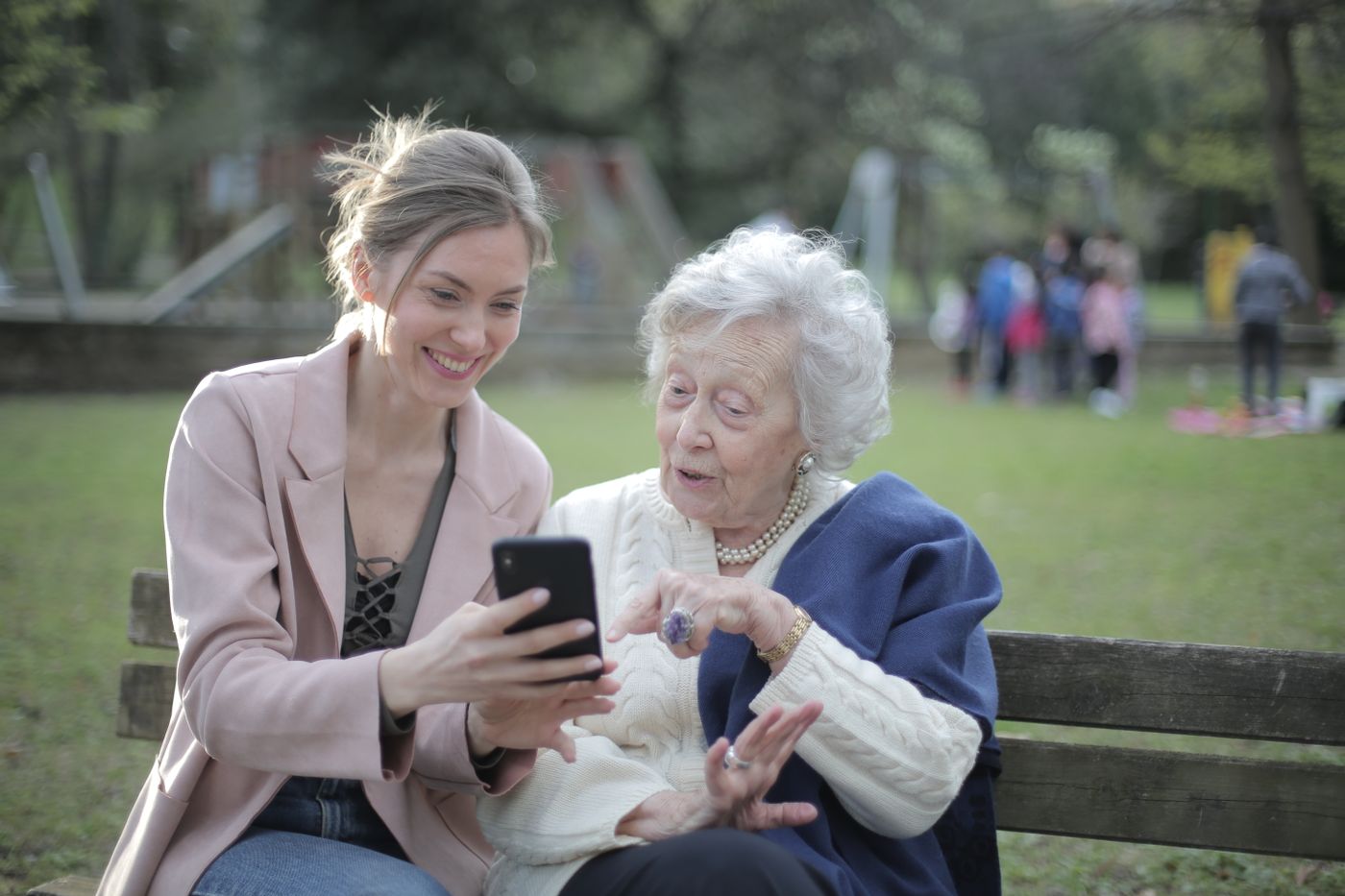
*Photo: Andrea Piacquadio / Pexels (free to use).*
Step 4: Introduce the home care robot as one option that protects their goals
By the end of this step, they will understand what a home care robot is *for*, without feeling sold.
Connect the tool to their stated goals:
- If they want to stay home: "Some families use a home care robot for reminders and check-ins so they can stay independent longer."
- If they hate cameras: "Some designs use presence sensing without a bedroom camera feed. We can look only at options that match your privacy rules."
- If they already like Alexa: "A smart speaker is great when you start the conversation. A care robot is built to notice quiet hours and start check-ins. You can keep both." Compare in more depth with Alexa vs a home care robot.
- If falls worry everyone: keep outdoor medical alerts in the mix; see home care robots vs medical alerts for fall detection.
AARP finds that 66% of adults 50-plus agree technology enriches life and makes aging easier, while privacy and unclear purchase value remain top barriers. Adults 80-plus who say tech enables a healthy life rose from 39% in 2024 to 46% in 2025. Meet that openness with clarity, not hype.
Keep the pitch short:
- What it does in plain English (check-ins, reminders, companionship, optional vitals or indoor sensing).
- What it does *not* do (replace hands-on care, replace a doctor, follow someone to the store).
- Who sees data.
- How they can pause or turn it off.
Verification: They can restate the robot's job in one sentence, and you have not asked them to buy anything yet.

*Photo: Kampus Production / Pexels (free to use).*
Step 5: Answer privacy and "who's watching" questions first
By the end of this step, you will have a written privacy agreement both sides accept.
Because data privacy is the top barrier in AARP's 2026 Tech Trends work, put it first, not in the fine print. About half of AI holdouts cite trust and security concerns. Treat that as wisdom, not stubbornness.
Walk through a simple checklist together:
- Sensors: camera, microphone, radar/presence, wearable, or none?
- Storage: cloud by default, on-device health data, or both?
- People: who can Drop In, view trends, or get emergency alerts?
- Control: physical shutter, mute, full offline/lockdown mode?
- Exit: how to pause, uninstall, or remove the device without a fight?
Write the answers on paper or in a shared note. Secret monitoring is not a care plan. Consent should be visible to the person living with the device.
Verification: Your parent can point to who sees what, and you both signed or initialed the same page (even informally).

*Photo: Kampus Production / Pexels (free to use).*
Step 6: Propose a time-limited trial and a review date
By the end of this step, you will have a reversible experiment, not a permanent verdict.
Care.com experts emphasize that the first conversation does not need to produce a full plan. Provost recommends letting the first talk be small on purpose and closing with room to revisit. For tech specifically, a time-limited trial removes the finality that makes refusal feel necessary.
A practical trial structure:
- Length: 14 to 30 days.
- Scope: one room or one job first (morning check-in, med reminder, companionship), not the whole house.
- Owner: who sets it up, who answers questions, who is the local helper if you live far away.
- Success metrics they choose: fewer missed meds, fewer "are you okay?" calls, better sleep for everyone, or simply "I don't hate it."
- Review date on the calendar: they decide keep, change, or remove.
If they say "I'm fine," Fosco's Care.com guidance is useful: that often means fear of losing independence or becoming a burden. Stay warm and specific. Try Provost's line: "I'm not trying to take anything away from you. I just want to know what you want so I can help you get it."
Verification: A review date exists on both calendars, and the device can leave the house without drama.

*Photo: Kampus Production / Pexels (free to use).*
Common mistakes that start a fight
1. Leading with your fear. Why it happens: you are carrying nights of worry. The fix: lead with their goals ("stay in this house your way"), then share one concrete observation.
2. Surprising them with a device already unboxed. Why it happens: you hope a demo will convince them. The fix: consent before setup. A surprise robot feels like evidence they are no longer trusted.
3. Debating siblings in front of them. Why it happens: everyone has a different risk tolerance. The fix: align first; one primary speaker; one shared goal.
4. Turning "I'm fine" into a courtroom. Why it happens: you hear denial; they hear loss of control. The fix: curiosity questions and a smaller yes (one reminder, one trial week).
5. Ignoring privacy until the end. Why it happens: you think features sell. The fix: privacy is the feature for many adults 50-plus. Answer it before battery life and apps.
6. Treating the robot as a full care plan. Why it happens: tech marketing overpromises. The fix: keep human care, medical alerts for outdoors, and clinician input where needed. Tech reduces load; it does not replace care. If you need temporary human relief, see what respite care is.

*Photo: Kampus Production / Pexels (free to use).*
What success looks like
If the conversation went well, you should see some mix of these outcomes:
- Your parent stated preferences in their own words.
- You have a privacy agreement and a review date.
- Nobody felt ambushed, even if the answer today is "not yet."
- Siblings are not sending mixed texts afterward.
- The next step is small and reversible.
Stretch goal: after a successful trial, expand only the jobs they liked (companionship, meds, vitals) and leave the rest off. Half of caregivers already use tech to coordinate care (AARP). The winning pattern is usually "add the next helpful layer," not "install everything at once."
Older adults are also active buyers. AARP reports 71% of adults 50-plus bought technology in 2025 (average spend $756), and 2 in 5 are planning a tech purchase in 2026. Respect that they may want to co-choose the brand, color, and room placement.
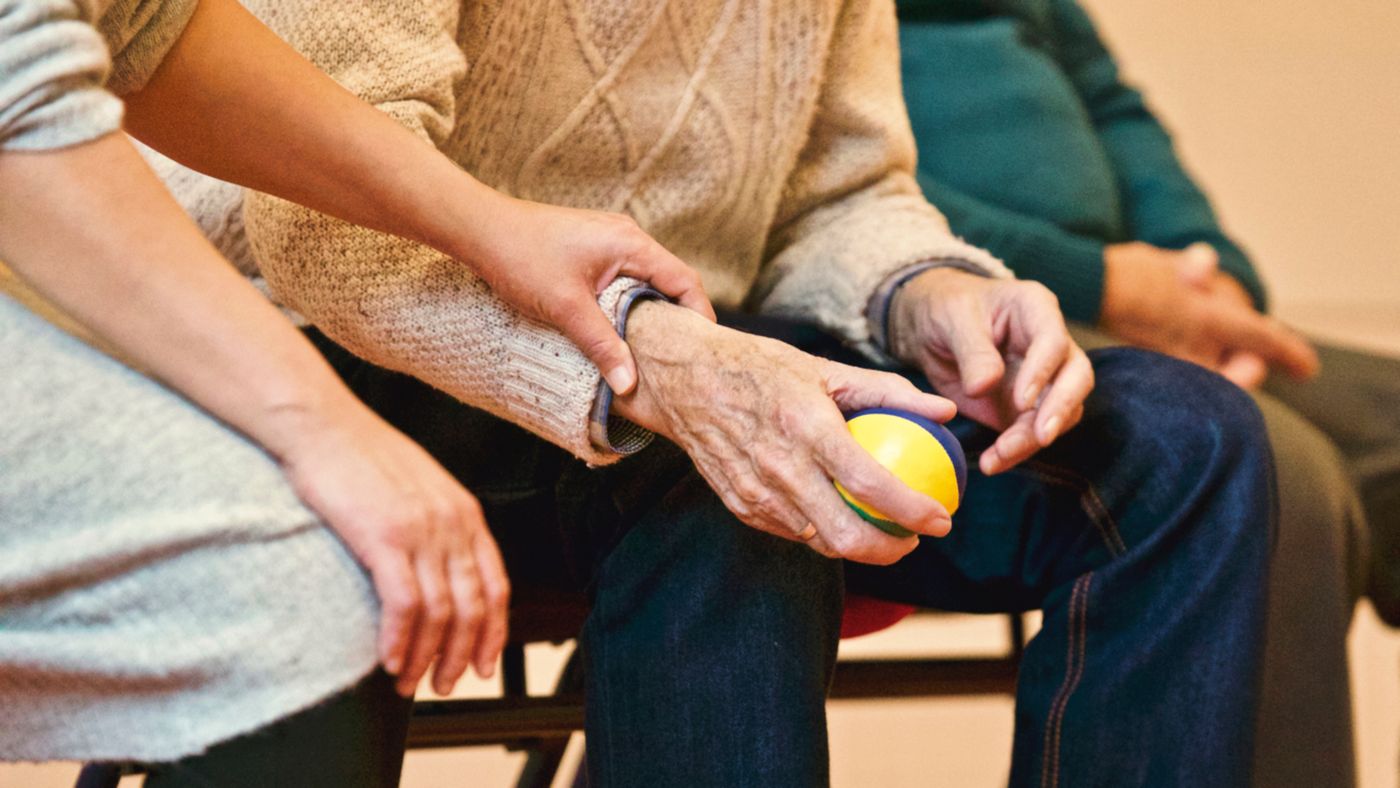
*Photo: Andrea Piacquadio / Pexels (free to use).*
Frequently asked questions
What if my parent refuses any home care robot?
Respect a competent adult's "no," then keep the door open. Offer a smaller yes (a shared calendar reminder, a non-camera night light, a trial of a voice assistant they already trust). Revisit after a calm week, a doctor visit, or a near miss, without saying "I told you so."
Should I bring up a home care robot right after a fall or hospital stay?
Only if they have energy and consent for a short talk. Crisis windows can increase openness, but pressure also spikes. Focus first on recovery and preferences. A later follow-up with a trial plan is often kinder than a purchase in the parking lot.
How is this different from putting cameras in the house?
Many parents hear "robot" as "camera that watches me." Ask about cameras explicitly. Some care robots emphasize presence sensing, on-device health data, and family alerts without a webcam wall. Match the hardware to their hard nos.
What if siblings disagree about buying one?
Do not stage that fight in the living room. Align on observations and goals first. If you stay stuck, Care.com experts suggest a neutral third party such as a geriatric care manager. Frame it as help for the whole family, not proof someone failed.
Can we try Alexa first instead?
Yes, if your parent already initiates with voice commands and mainly needs music, timers, and video calls. Revisit a care robot if quiet hours, missed responses, or loneliness remain the real problem.
Does talking about a robot mean we are replacing human care?
No. A home care robot can reduce empty hours and missed routines. It does not bathe someone, manage complex dementia alone, or replace a trusted aide. Keep human care in the plan when personal care needs rise.
Conclusion
You do not need a perfect speech. You need a respectful process: align the family, open with partnership, learn what privacy and independence mean to your parent, introduce a home care robot as one option that serves *their* goals, write down who sees what, and run a time-limited trial with a review date.
Older adults are more digitally ready than many adult children assume, and more privacy-sensitive than most product pages admit. Meet both truths. When the conversation stays calm, the technology becomes a tool for aging in place instead of a symbol of losing control.
If you want to explore a home care robot built for check-ins, reminders, and indoor presence with family peace of mind, learn more at Rhem, or keep reading the Rhem Labs blog for practical aging-in-place guides.